Here is my story of how pizza came to be: Pete’s Ah!

A very, very long time ago, a bread maker was partying late on Friday and woke up the next morning with a huge hangover.
Feeling miserable and hungry, he flattened some leftover bread dough, added hard cheese and baked it.
Amazingly, it was delicious! His friends took a bite and shouted, “Ah!”
The baker’s name was Pete, so they called it Pete’s Ah! — which eventually became pizza!
Fun stories aside, let’s talk about something less fun.
When Wheat and Exercise Don’t Mix
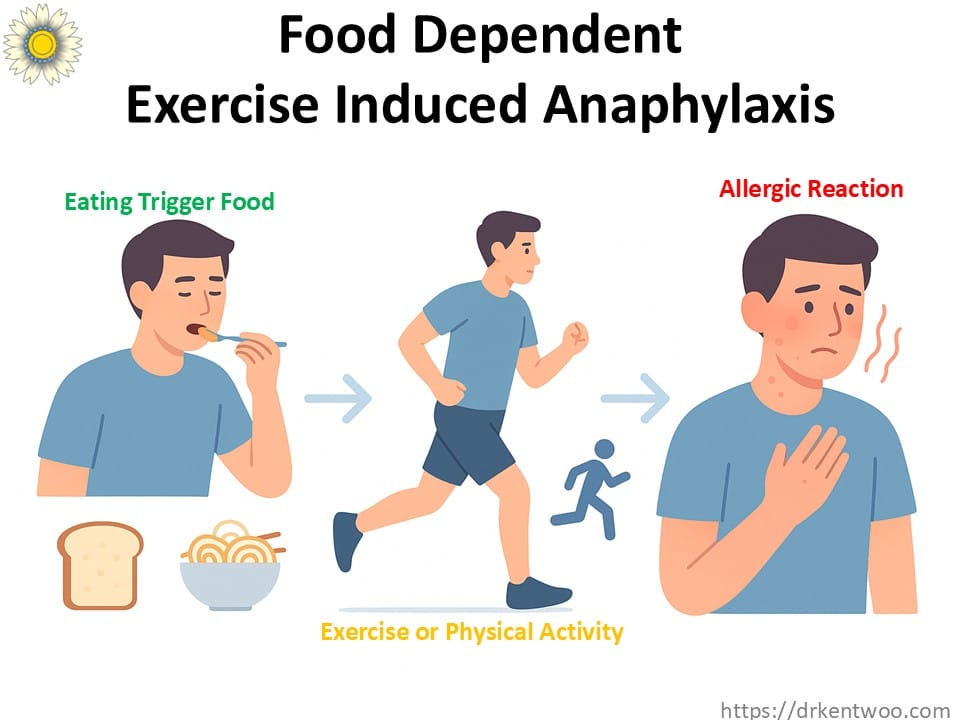
Imagine eating bread, noodles or roti canai without any problems.
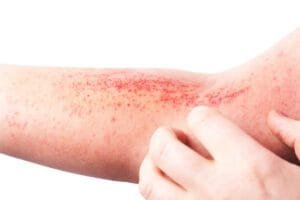
Then you go for a jog or head to the gym — and suddenly develop hives, swelling or even difficulty breathing.
One possibility is wheat-dependent exercise-induced anaphylaxis (WDEIA).
In this condition, eating wheat and exercising can combine to trigger an allergic reaction, even when either activity alone may be tolerated.
Why Is It So Easily Missed?

Here’s the tricky part: the reaction threshold can vary in (Wheat) Food Dependent Exercise Induced Anaphylaxis.
Think of it as a balancing act between the amount of wheat you eat and how much you exert yourself.
- More wheat, less exercise: a reaction may still occur.
- Less wheat, more strenuous exercise: a reaction may also occur.
- On some occasions: you may eat wheat or exercise without any symptoms.
Other factors, such as alcohol, certain medications or illness, may also influence the threshold in some people.
This explains why someone might eat wheat regularly without problems, yet experience a severe reaction on another occasion.
Tolerating wheat previously does not rule out WDEIA.
Could Skincare Also Play a Role?
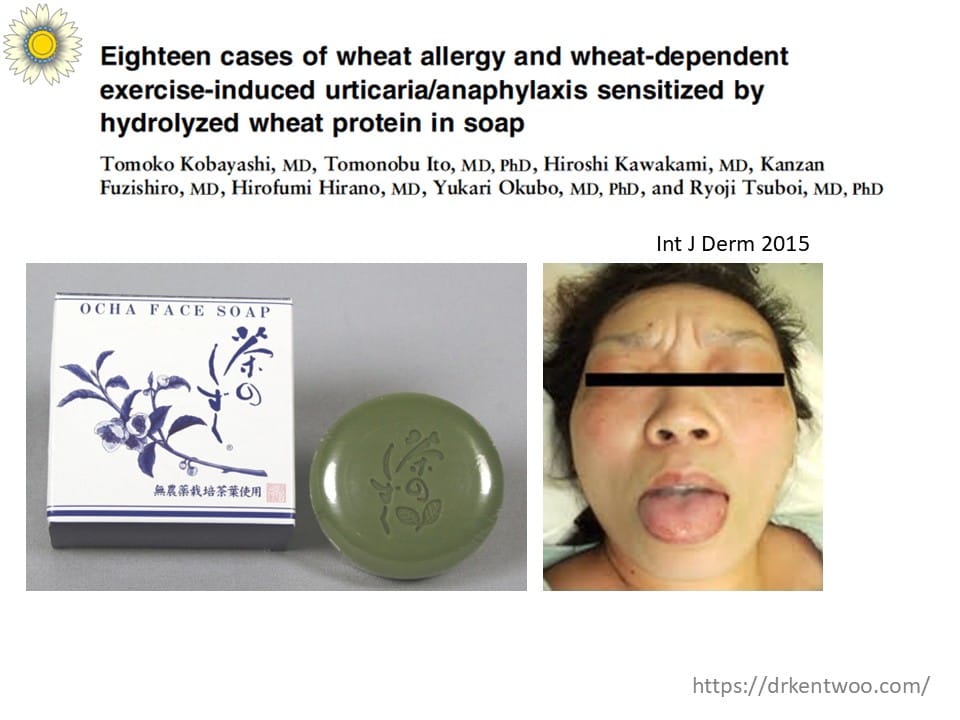
Certain wheat-derived proteins in skincare products have been associated with wheat sensitisation in some people.
This may be relevant when investigating suspected wheat allergy, although it does not mean every wheat-containing skincare product causes allergy.
👉 Read more: Could Your Skin Care Cause Wheat Allergy?
What Should You Do?
If you develop allergic reaction after eating wheat and exercising, seek assessment from an Allergist/Immunologist.
Your history, allergy tests and the relationship between food, exercise and other factors help guide the diagnosis.
Do not deliberately combine wheat and exercise to test your reaction.
Anaphylaxis can be severe and unpredictable.
The Take-Home Message
If you react during exercise, don’t just think about how hard you exercised.
Think about what you ate, how much you ate and what else might have contributed.
Suspect a food-related reaction?
Contact Allergy Immunology Clinic for an assessment.