Dr Kent Woo Review: Why Online Doctor Reviews Don’t Tell the Full Story
If you landed on this page searching for “Dr Kent Woo review”,
you’re probably doing what most people do these days.
You Google.
You scroll.
You look at stars. ⭐⭐⭐⭐☆
You read a few angry comments.
And then you try to decide if a doctor is “good” or “bad.”
That’s understandable.
But here’s the uncomfortable truth:
Medical reviews don’t work the way people think they do.
Let me explain.
A Doctor Review Is Not Like A Restaurant Review
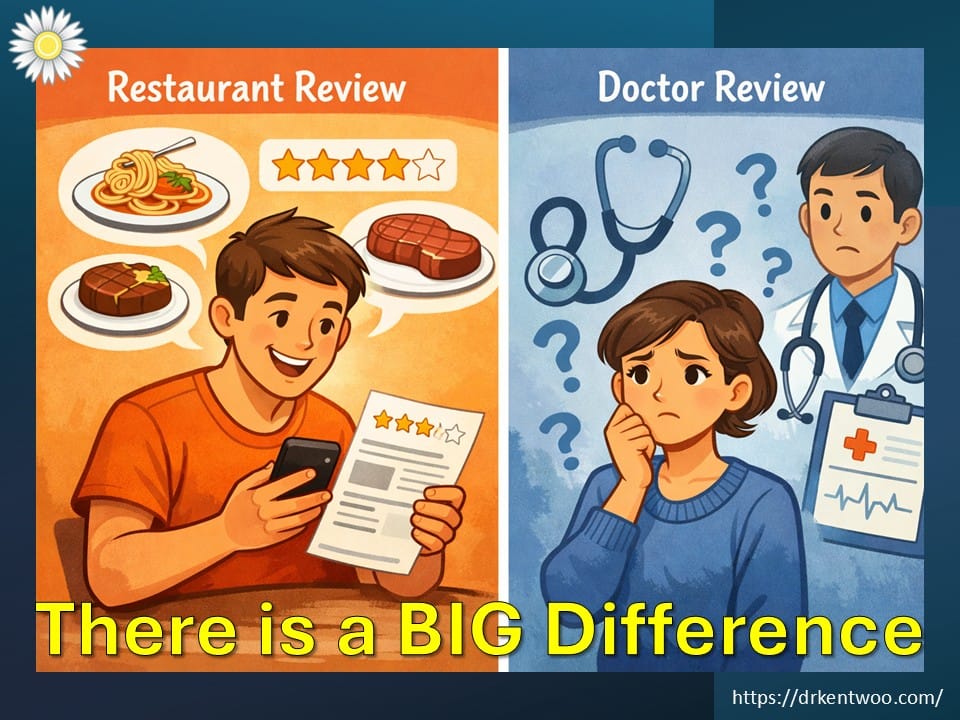
When you read a restaurant review, you already know a lot:
- What food is
- What you like
- What tastes “good” to you
- What price feels reasonable
You’ve eaten thousands of meals in your life.
You have context.
So when someone says,
“The pasta was bland” or
“The steak was overcooked,”
you know exactly what that means.
Now compare that to seeing a doctor.
Most patients:
- Don’t know what the diagnosis really means
- Don’t know what treatment options exist
- Don’t know what is realistic
- Don’t know what cannot be fixed
And yet, they decide to rate their experience with stars.
That’s not a review.
That’s a reaction.
Who Actually Leaves Google Reviews?
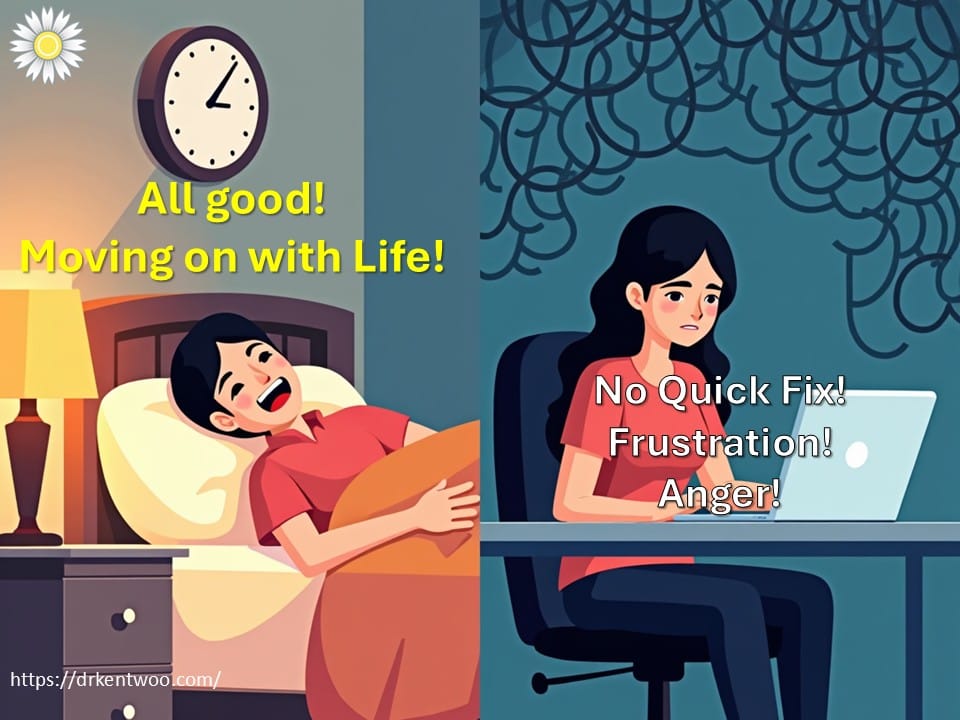
Another reality check.
Patients who improve?
Patients who finally sleep?
Patients who stop itching?
Patients whose lives quietly get better?
They usually don’t leave reviews.
They move on with life.
As they should.
Online reviews are disproportionately written by:
- People who are frustrated
- People who didn’t get the outcome they hoped for
- People unhappy with cost
- People unhappy with the answer
Especially when the answer is:
“This is complicated.”
“This will take time.”
“There is no quick fix.”
As a subspecialist, that’s most of my clinic.
I don’t see simple cases.
I see patients after years of undertreatment.
After trying everything.
After conditions have escalated.
By the time they reach me,
there are no easy solutions left.
And yes — complexity costs.
The Hairdresser, the Handbag, the Doctor?

Here’s something I see often.
A patient will:
- Pay their hairdresser without blinking
- Buy an expensive handbag
- Upgrade their phone every year
But when it comes to medical treatment?
“Why is it so expensive, doctor?”
It’s two-faced.
We rarely question the price of appearance.
We question the price of health.
Until the problem becomes serious.
Then suddenly, the cost feels unfair —
even though it’s the cost of catching up.
Why Expert Advice Sometimes Gets Ignored

Let me put this another way.
If my mechanic tells me my brakes are faulty,
I don’t argue.
I don’t say:
- “But my gardener thinks it’s the door.”
- “My best friend says it’s the engine.”
- “My barber says it’s the exhaust.”
I listen to the person trained to fix brakes.
Yet in medicine, this happens every day.
A patient comes in.
We diagnose an allergic or immunological condition.
We explain it carefully.
We agree on a treatment plan.
And then…
They don’t want to follow it.
They mix advice from:
- Friends
- Someone’s cousin’s experience
And when it doesn’t work?
The doctor gets blamed.
The Cake Recipe Problem
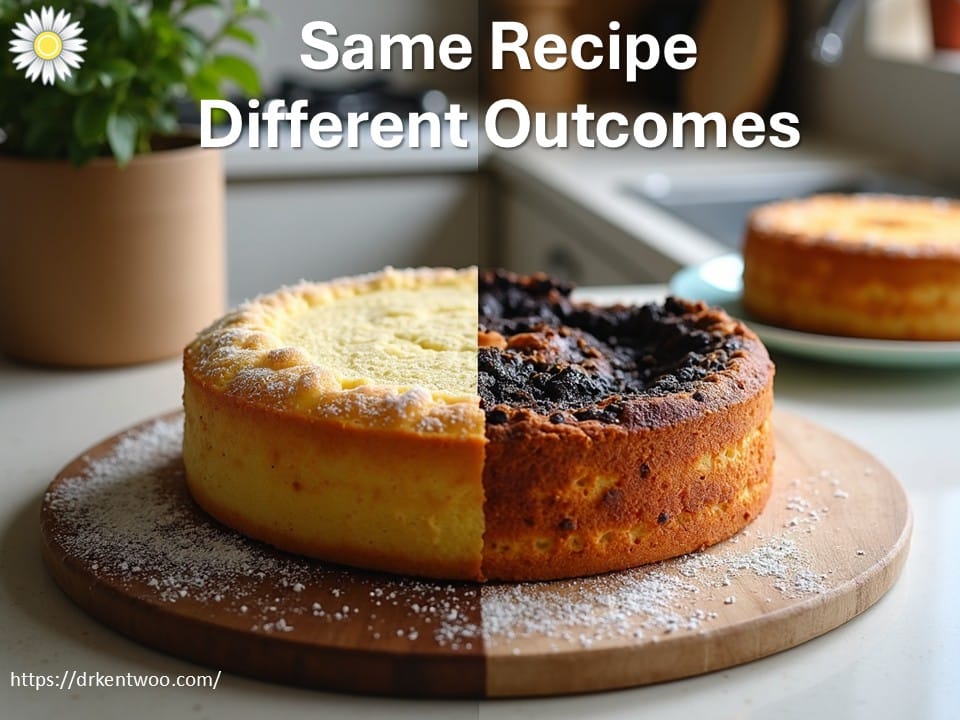
Here’s my favourite analogy.
You come to me for a cake.
I give you a recipe.
Then you decide:
- Less sugar
- More flour
- Different temperature
- Shorter baking time
The cake comes out terrible.
Can you blame the recipe?
Of course not.
If you want the outcome I’m aiming for,
you have to follow the plan.
If you change the ingredients, the dose, the timing —
or stop halfway —
you’ll get a different result.
That’s not punishment.
That’s reality.
That’s biology.
So How Should You Evaluate a Doctor?

If reviews aren’t reliable,
what should you look at?
Let’s start with the most important thing.
1. Knowledge Comes First
I know many patients want a “nice” doctor.
That matters.
Being heard matters.
But a nice doctor who doesn’t know enough
is just a very polite listening session.
If nothing gets solved,
you didn’t come for a conversation —
you came for help.
A doctor must first be knowledgeable.
That means:
- Proper medical education
- Proper specialization
- Proper training
Medicine is layered.
You don’t skip steps.
2. Then Look Beyond Exam Scores
Now, to be fair.
There are excellent doctors who don’t shine in exams.
And there are brilliant exam-takers who struggle clinically.
So don’t stop at grades.
Look for:
- Dedication to the field
- Teaching and lectures
- Academic contributions
- Publications and guidelines
- Continued involvement
These signal someone who didn’t stop learning
once the exam was over.
3. A Little Transparency (Since You’re Here)
Since you searched for “Dr Kent Woo review,”
I’ll be open with you.
I scored in the top decile for my Internal Medicine boards,
and top decile again for Allergy and Immunology boards.
Then came Dermatology.
I still remember opening my Diploma in Clinical Dermatology results,
and seeing a few big “D”s staring back at me.
My first thought?
“Looks like I don’t know enough.”
Then,
“I’ll need to work on what I’m lacking.”
Only later did I realize…
D stood for Distinction.
Why do I share this?
Not to brag or show off
But to show you the kind of dedication and focus it takes.
All this effort to be the best, is for you, the patient.
It’s about the ability to accept knowledge gaps,
then work hard to close them.
Why This Matters More Than Reviews

A knowledgeable doctor:
- Can explain why something is happening
- Can tell you what can be fixed — and what can’t
- Can adjust the plan when things don’t go as expected
A nice but untrained one?
They’ll listen, nod, and empathize.
But you might still be sick.
The best doctors strive to be both:
Competent and compassionate,
Honest and kind.
If I had to choose?
I’d rather be treated by someone who knows what they’re doing
than someone who’s just guessing while being pleasant.
The Only “Review” That Really Matters
Medicine isn’t a popularity contest.
It’s a responsibility.
My mission is to diagnose, guide, and care —
especially when things get complicated.
Sometimes the right answer isn’t the easy one.
Or the cheap one.
Or the one you want to hear.
But it’s the honest one.
If you understand that,
you probably don’t need to read reviews about me.
We’ll likely work well together.
A Vision Beyond One Person

Because here’s the thing:
I am only one man.
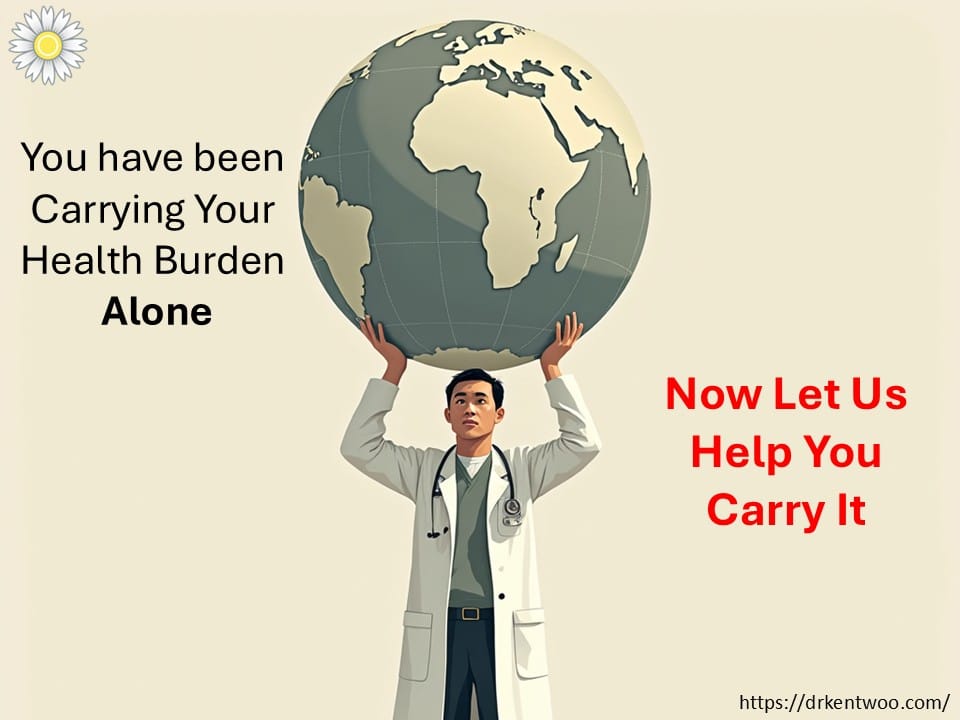
But if I try to do it all alone,
I am just one person.
If I can build a team — doctors, nurses, the whole clinic —
then I can become a world.
That’s the clinic I’m shaping now:
A team dedicated to delivering the care you deserve,
with all the expertise, attention, and heart it takes.
Because real healing doesn’t happen in isolation.
It’s a shared journey
And together, we can go further.