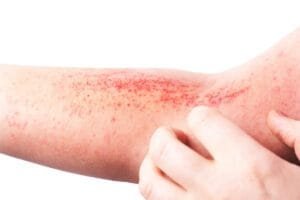
Guess Who’s Back? Haze & Pollution Strike Again
Guess who’s back?
Shady’s back.
Back again.
Except this time, it’s not just Slim Shady.
It’s haze.
And unfortunately, air pollution never really went away.
Haze may come and go, but traffic fumes and industrial pollution are part of the air we breathe every day.
One of the biggest concerns is PM2.5 — tiny particles measuring 2.5 micrometers or less.
They’re small enough to travel deep into the lungs, and some particles can enter the bloodstream and affect other parts of the body.
So what does all this mean for you?
1️⃣ Respiratory Health: Every Breath Matters
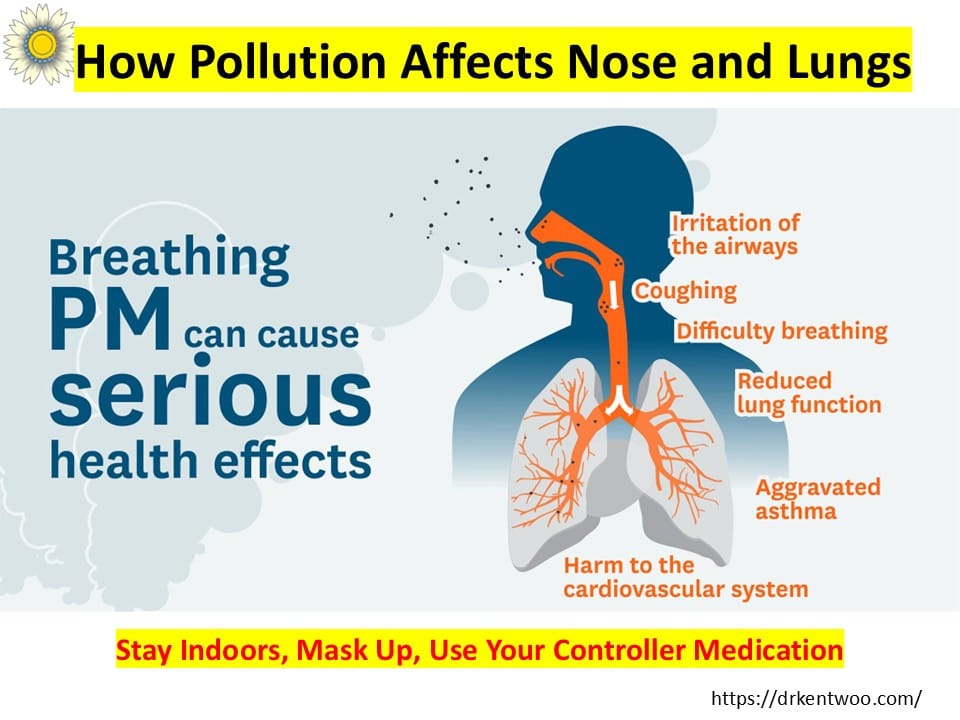
- Stealth Invaders: PM₂.₅ particles are tiny enough to travel deep into your airways and trigger inflammation.
- Asthma & Nasal Drama: If you have asthma, polluted air can make your airways more sensitive — meaning more coughing, wheezing and reliever inhaler use. Allergic rhinitis? Expect more sneezing, congestion and irritation.
- More Than Just Haze: Haze episodes may be obvious, but air pollution is a year-round problem. Even when the sky looks perfectly clear, traffic, smoke and other pollutants are still around.
If your breathing suddenly becomes worse when air quality drops,
Don’t simply “tahan” and hope it goes away.
Pay attention to it.
2️⃣ Skin Health: Barrier Breakdown & Eczema Flares
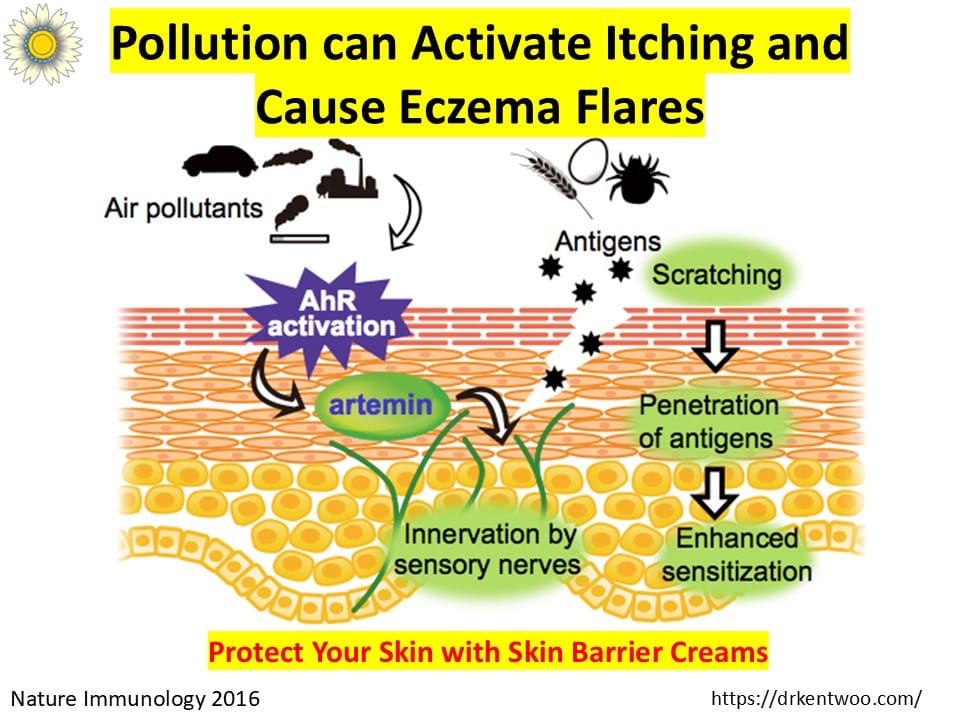
- Weakened Skin Barrier: Air pollutants can increase oxidative stress and inflammation in the skin, making it harder for your skin barrier to do its job.
- Itch Overload: If you already have eczema, this additional irritation can mean more itching, redness and cracking.
- Irritant Dermatitis: Fine particles and other pollutants can irritate sensitive skin. For some people, previously quiet eczema can suddenly become much more active.
Your skin is your first line of defense against the environment.
So when the air is bad, don’t forget to look after your skin too.
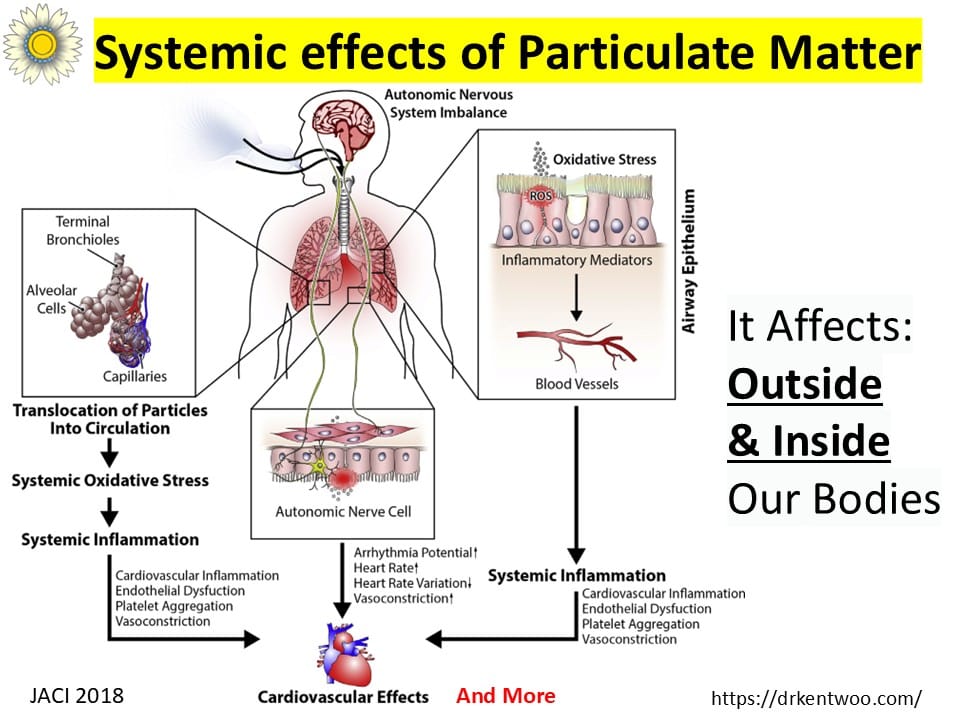
3️⃣ Systemic Effects: It’s Not Just Your Lungs
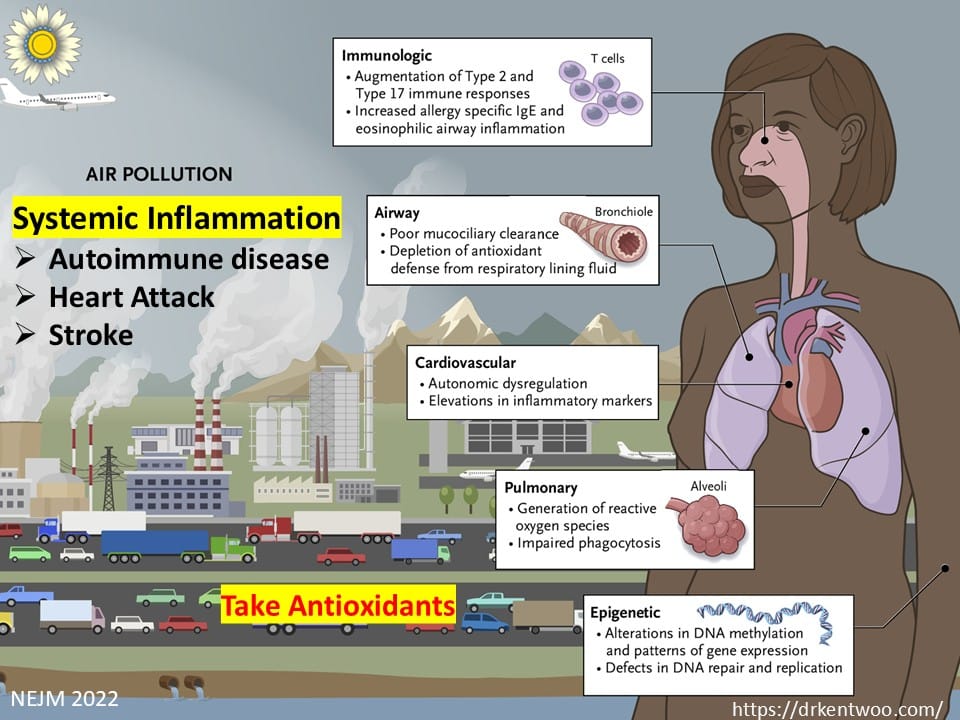
- Inflammation Everywhere: Fine particles can contribute to oxidative stress and inflammation throughout the body. Long-term air pollution exposure is strongly associated with cardiovascular disease, including heart disease and stroke.
- The Autoimmune Connection: There is also growing evidence linking air pollution, particularly PM₂.₅, with autoimmune diseases such as lupus. Some studies suggest pollution may influence autoimmune disease activity.
- Chronic Exposure Matters: You don’t need to be standing in a haze cloud to be affected. Air pollution is a continuous environmental exposure, and repeated exposure can contribute to long-term inflammatory and cardiovascular risks.
The important point is:
Haze may come and go.
Air pollution doesn’t.
🛡️ So What Can You Actually Do?
You don’t need to panic when the sky turns grey.
You just need to be sensible.
1. Reduce Exposure
When air quality is poor, reduce prolonged outdoor activity where possible.
If you need to go outside, a properly fitted N95 or equivalent respirator can reduce exposure to fine particles.
And yes — this is one situation where the humble mask really does have a purpose.
Click For: How to Safely Disinfect & Reuse Your Face Mask →
2. Clean Up Your Indoor Air
When outdoor pollution is high, keeping windows closed and using a HEPA air purifier can help reduce indoor particle levels.
Remember:
Pollution isn’t only an outdoor problem.
3. Protect Your Skin
If you have eczema, don’t abandon your usual skincare routine when haze arrives.
Keep moisturizing, continue your prescribed eczema treatment, and avoid additional irritants that may further upset your skin barrier.
4. Keep Your Asthma Under Control
Don’t wait until you’re struggling to breathe before thinking about your asthma.
Continue your prescribed preventer treatment and make sure your reliever inhaler is available when needed.
If your asthma suddenly becomes much worse than usual, seek medical attention.
What About Antioxidants?
This is a question I get from patients who are concerned about oxidative stress:
“Doctor, can I do anything to support my body against all this pollution?”
My first answer is always:
Reduce exposure first.
But there is another part of the conversation.
Our bodies constantly have to deal with oxidative stress.
And pollution adds to that oxidative and inflammatory stress
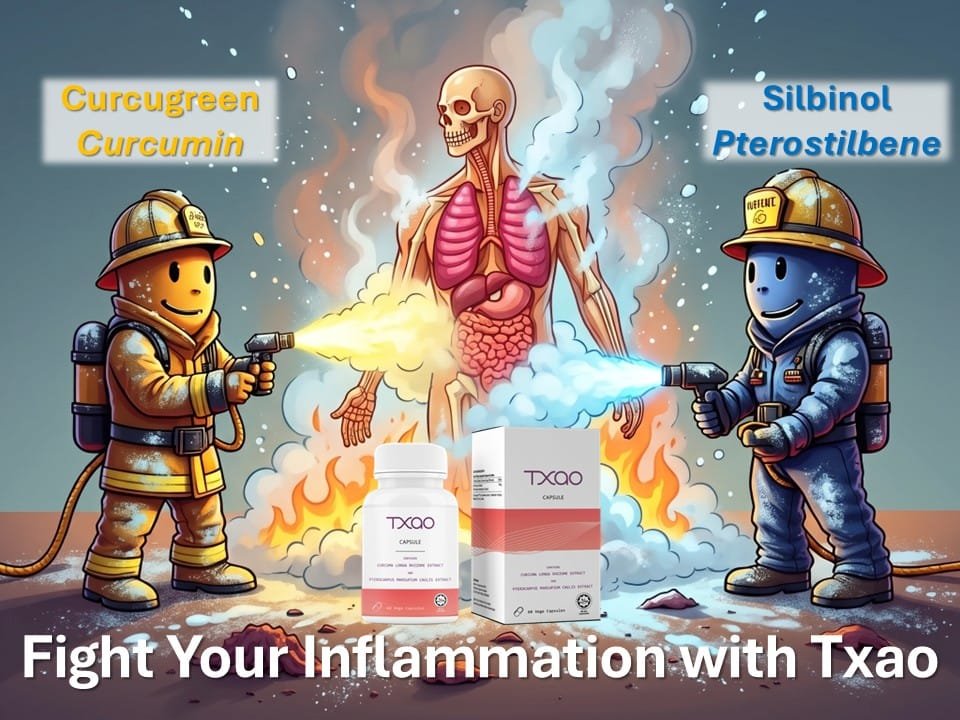
This is one of the reasons I developed Txao.
Txao is a supplement formulated to support antioxidant defenses and healthy inflammatory balance.
I don’t think of Txao as a “haze antidote.”
It isn’t.
I see it as an Antioxidant Supplement to support the body’s natural defenses.
Find out about Txao’s Internal Balance System & Pollution →
One Last Thing
Haze and Pollution is frustrating.
But you don’t need to panic every time the sky turns grey.
Understand what you can control.
- Reduce exposure.
- Protect your lungs.
- Look after your skin.
- Keep chronic conditions under control.
And if your symptoms suddenly become much worse:
Don’t just blame the haze. Get help.
Contact the Allergy Immunology Clinic.
Our team can help assess what is happening and decide what needs to be done.
References
- World Health Organization. Air quality, energy and health — health impacts of air pollution.
- World Health Organization. WHO Global Air Quality Guidelines: PM₂.₅, PM₁₀, ozone, nitrogen dioxide, sulfur dioxide and carbon monoxide.
- World Health Organization. Health consequences of air pollution on populations.
- Is air pollution affecting the disease activity in patients with systemic lupus erythematosus? State of the art and a systematic literature review. Eur J Rheumatol. 2020 Jan 1;7(1):31-34.
- The effect of air pollution on systemic lupus erythematosus: A systematic review and meta-analysis. Lupus. 2022 Nov;31(13):1606-1618
- Exposure and the Incidence of Systemic Lupus Erythematosus: A Review. Rheum Dis Clin North Am. 2026 Feb;52(1):47-64.