Do You Know the Early Indicators and Signs of Allergy?
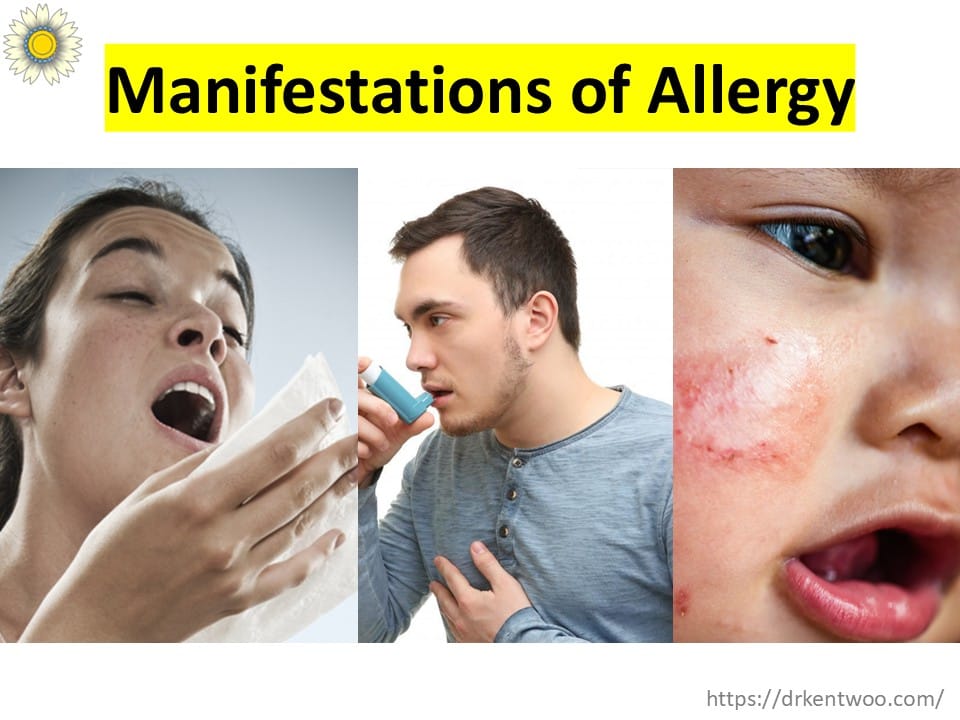
Allergies don’t always announce themselves with a dramatic reaction.
Sometimes, the first signs are much more familiar:
Itchy skin.
A blocked or runny nose.
Sneezing.
Itchy eyes.
Parents may simply think their child has sensitive skin or catches a lot of colds.
But sometimes, these can be signs of an allergic condition.
Let’s look at some of the common patterns to watch for.
Atopic Dermatitis: Look at the Skin
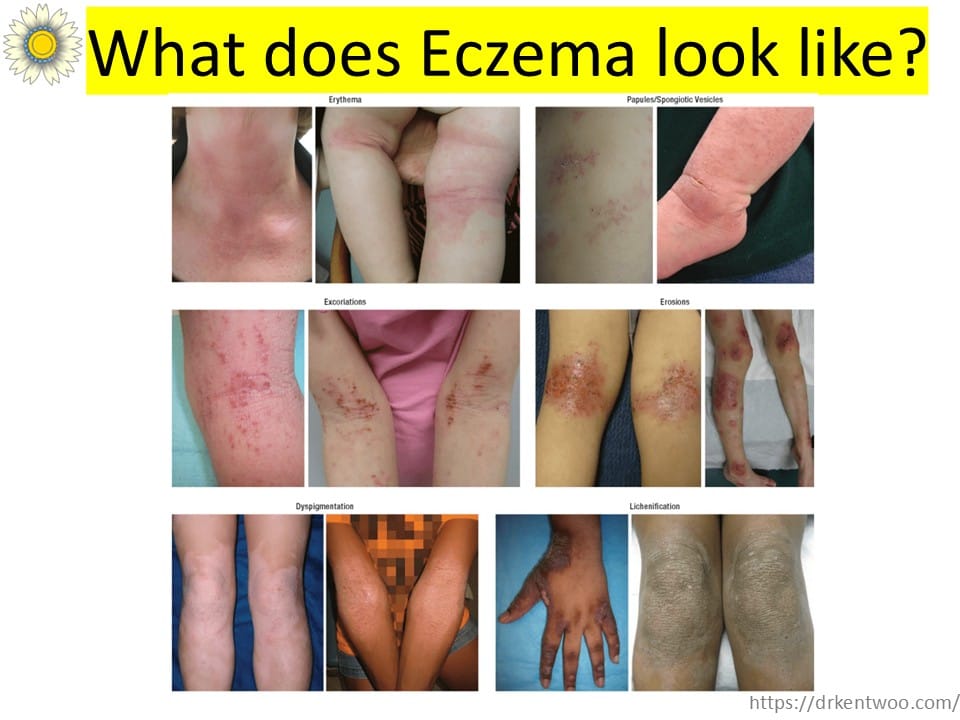
Atopic dermatitis, or eczema, can begin very early in life.
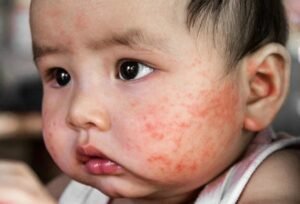
The skin is often dry, itchy and inflamed.
In babies, eczema commonly affects the cheeks and face, and may also involve the arms, legs and other areas.
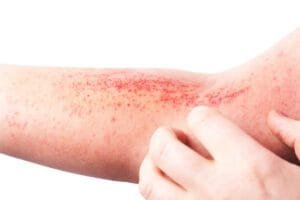
As children get older, eczema often affects the folds of the elbows and behind the knees.
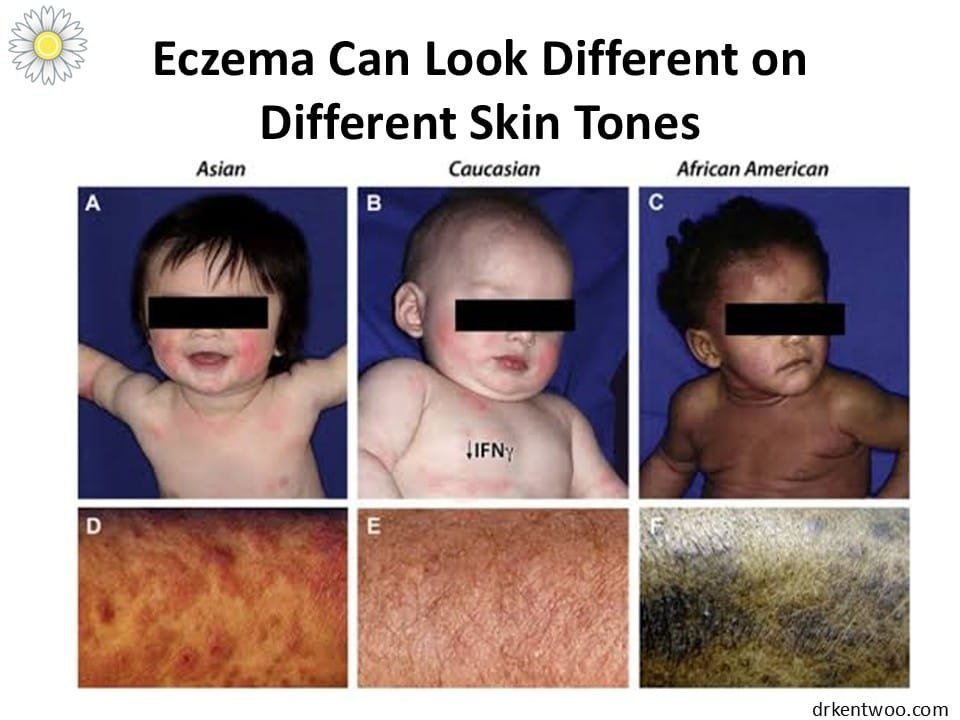
The appearance can vary depending on your child’s skin tone. Inflammation may appear red, darker or purple, or simply be more noticeable because of changes in skin texture.
Look out for:
- Dry, rough skin
- Itchy or inflamed patches
- Repeated scratching or rubbing
- Crusting, weeping or cracked skin during flares
- Skin that repeatedly improves and flares again
Eczema is not simply “sensitive skin.”
It is an inflammatory skin condition that deserves proper assessment and treatment.
👉 [Read: Moisturizing Tips For Eczema]
Allergic Rhinitis: Don’t Mistake It for a Cold
Does your child seem to have a runny or blocked nose all the time?
Or perhaps they are constantly rubbing their nose and eyes.
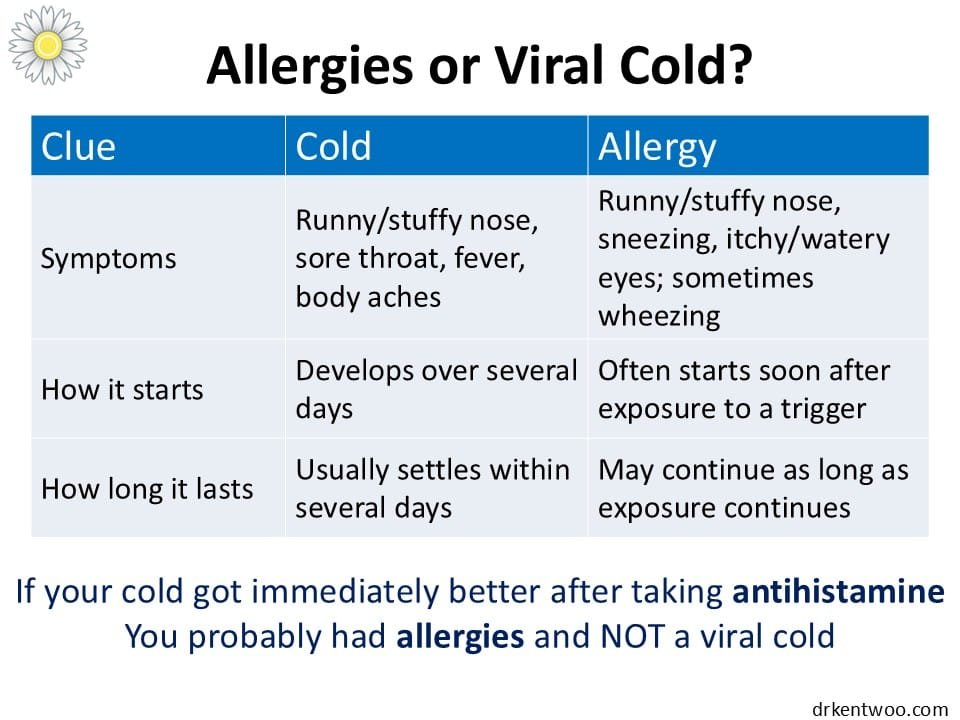
Allergic rhinitis can look similar to a cold — but there are some clues.
Common symptoms include:
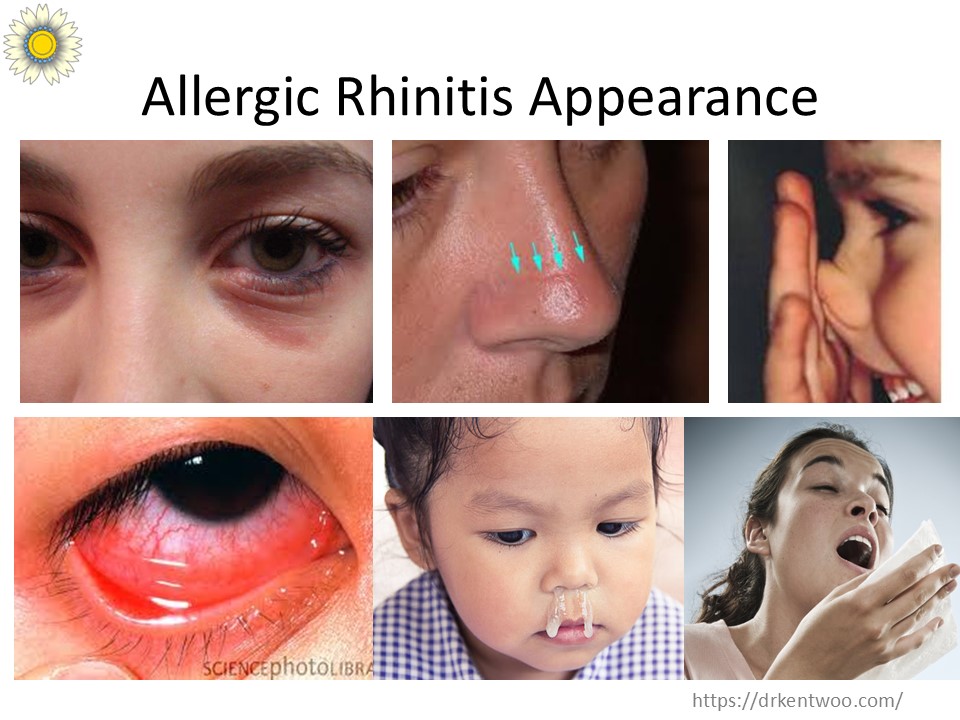
- Repeated sneezing
- Clear, watery nasal discharge
- Blocked or stuffy nose
- Itchy nose
- Itchy, watery or red eyes
- Mouth breathing
- Repeated rubbing or wiping of the nose
One useful clue is persistence.
A viral infection usually settles within days.
Allergic rhinitis can keep coming back
Especially when your child is exposed to a trigger.
Another clue?
The itch.
Itchy nose, itchy eyes and repeated sneezing suggest allergy.
If symptoms improve significantly after taking an antihistamine?
It is most likely allergy!
The Nose and the Lungs: The United Airway
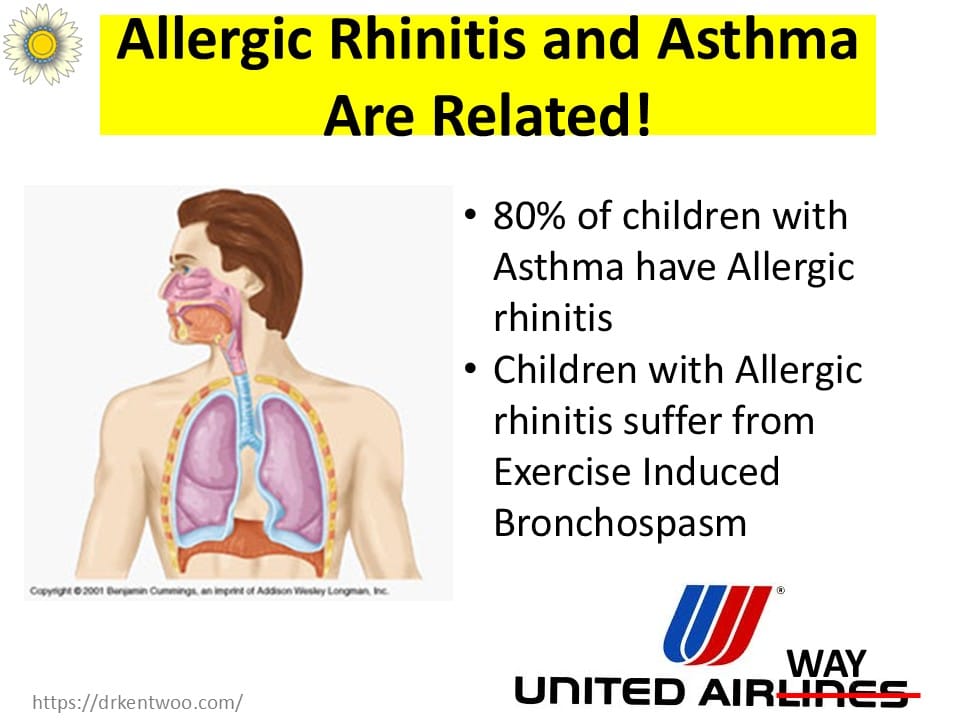
The nose and lungs are not completely separate systems.
They are part of what we call the United Airway.
A child with allergic rhinitis may have persistent nasal inflammation, congestion and mouth breathing. Some children with allergic rhinitis may also develop asthma symptoms.
This is why, when I see a child with allergic rhinitis, I don’t only ask:
“How is your nose?”
I also ask:
“Do you cough or wheeze when you run or play?”
And if a child has asthma, I also want to know:
“How is your nose?”
Sometimes, looking at the nose helps us understand the lungs.
[Click here: Learn About Respiratory Infections and Wheezing]
Know the Signs — Don’t Just Ignore Them
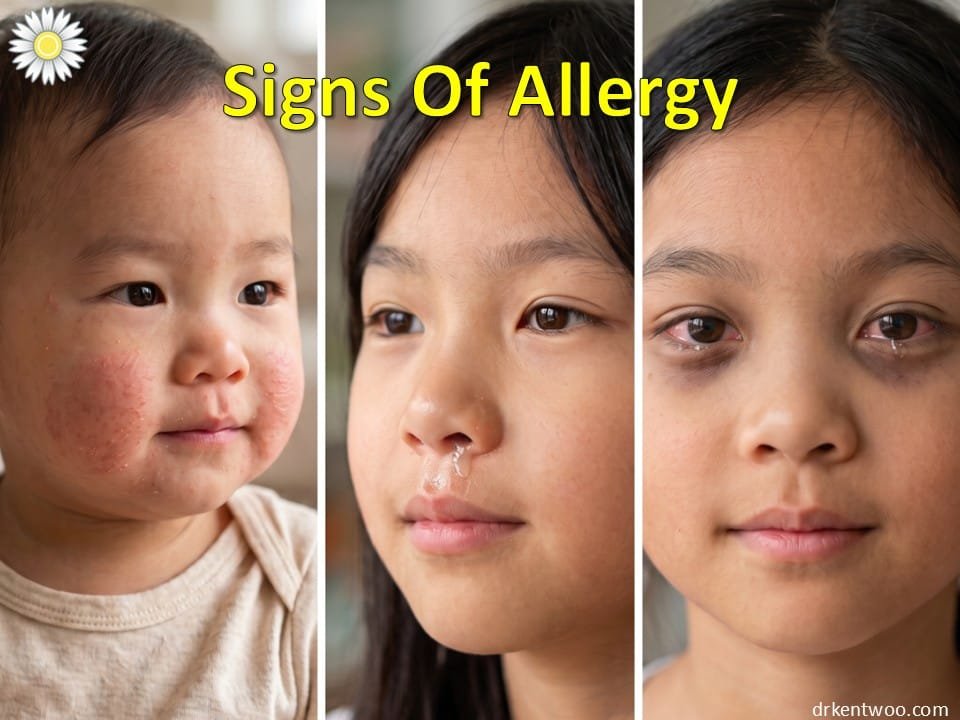
Allergies can show themselves in different ways.
Look at the skin.
Listen to the nose.
Pay attention to the eyes.
And don’t forget the lungs.
These symptoms do not automatically mean your child has an allergy.
But when symptoms are persistent, recurrent or affecting your child’s sleep, school or activities, it is worth getting them assessed.
The earlier we recognize the pattern, the easier it is to understand what we are dealing with.
👉 [Read: Understanding the Allergic March]
Need help understanding your child’s allergies?