Could Your Skincare Be Giving You a Wheat Allergy?
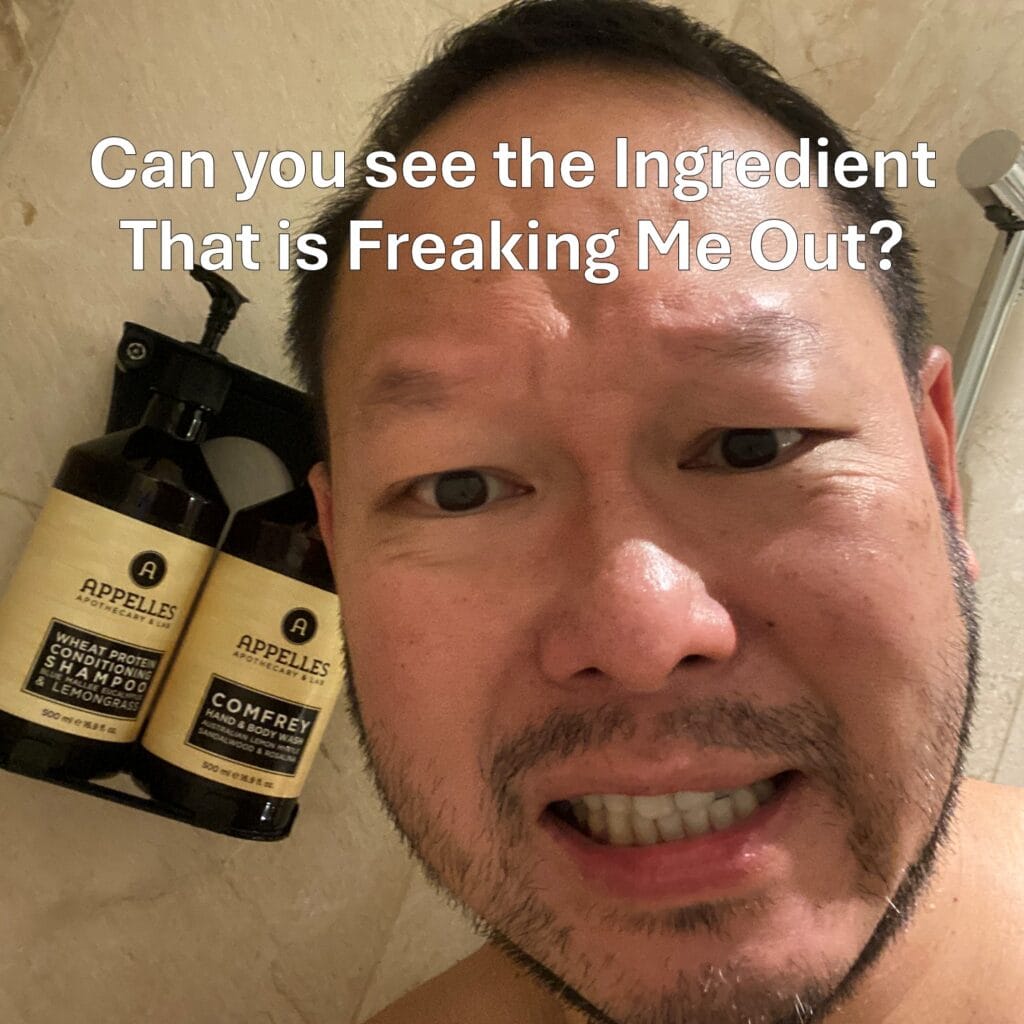
I recently went for a short holiday break.
After spending a long day out, I was eager to go for a nice shower at the hotel.
Like the OCD allergist I am, I started scanning the labels on the shampoo bottle.
Shudder. Horror.
There it was! Wheat protein.
No big deal, right?
Well, tell that to people who have developed wheat allergy after exposure to wheat-derived proteins in their skincare products.
Some have experienced hives or even anaphylaxis after eating wheat-containing foods, despite having previously tolerated them.
Could the answer lie in what they were putting on their skin?
Can Skincare Really Cause Wheat Allergy?
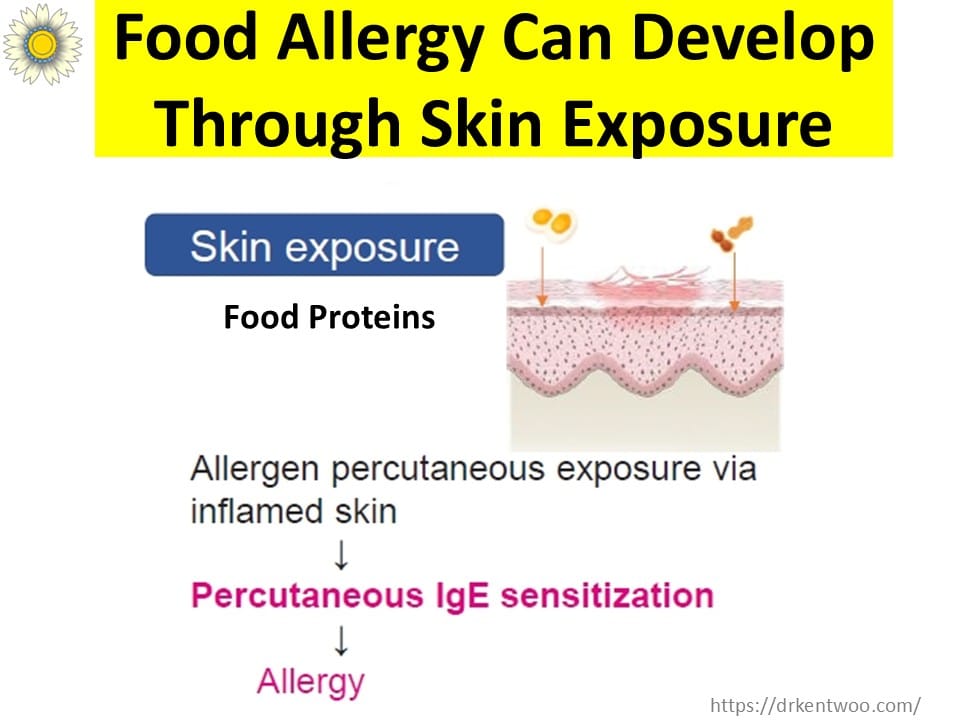
Yes, and here’s how:
Your skin isn’t just a barrier—it’s part of your immune system.
When it’s compromised, as in eczema, exposure to certain allergens through the skin may contribute to sensitization.
Over time, your immune system starts seeing wheat as a threat.
The next time you eat it?
Boom. Allergic reaction.
One of my patients had no issues with wheat—until she started using a new hair shampoo. A few months later, she ate a bowl of ramen, went for a jog, and ended up in the ER with anaphylaxis.
And here’s the kicker, some people react even without exercise!
I had another patient break out in hives after eating a vegetarian meal. Why? It was full of pure gluten.
When Should You Suspect Wheat Allergy?
- Unexplained reactions after eating wheat
- Reactions when wheat and exercise are combined
- Eczema or use of wheat-containing skincare products
These clues do not prove wheat allergy or establish that skincare caused it.
An allergy assessment is needed to determine the cause.
👉 Learn more: Could Your Skin Care Cause Wheat Allergy?
Wheat Ingredients to Look For in Skincare

You may not see the words “wheat protein” clearly written on the front of a product.
Instead, look at the ingredient list for names such as:
- Hydrolyzed Wheat Protein
- Hydrolyzed Wheat Gluten
- Triticum Vulgare — a botanical name associated with common wheat
- Wheat Germ Extract
- Wheat Amino Acids
- Triticum Vulgare Germ Extract
These ingredients may appear in shampoos, conditioners, hair treatments, facial cleansers, soaps and other personal-care products.
A practical tip: check the ingredient list on the actual product, rather than relying on its marketing claims. If you have a suspected wheat allergy, take a photograph of the label or bring the product along when you see your allergist.
Ingredient names can vary, and a label may not always make the source immediately obvious.
Concerned About Wheat Allergy?
If you have developed unexplained reactions after eating wheat, it is worth finding out why.
At the Allergy Immunology Clinic, we can help assess your symptoms, investigate possible triggers and guide you on what to do next.
Suspect a food allergy? Contact Allergy Immunology Clinic for an assessment.