
Breathe Easy: Understanding and Controlling Asthma
Let’s talk about asthma.
Not the textbook version.
The wheezing-that-squeezes-your-chest version.
The wake-up-in-the-middle-of-the-night-coughing version.
The one that leaves you gasping for breath and wondering:
“Is this ever going to stop?”
So… What Is Asthma, Really?
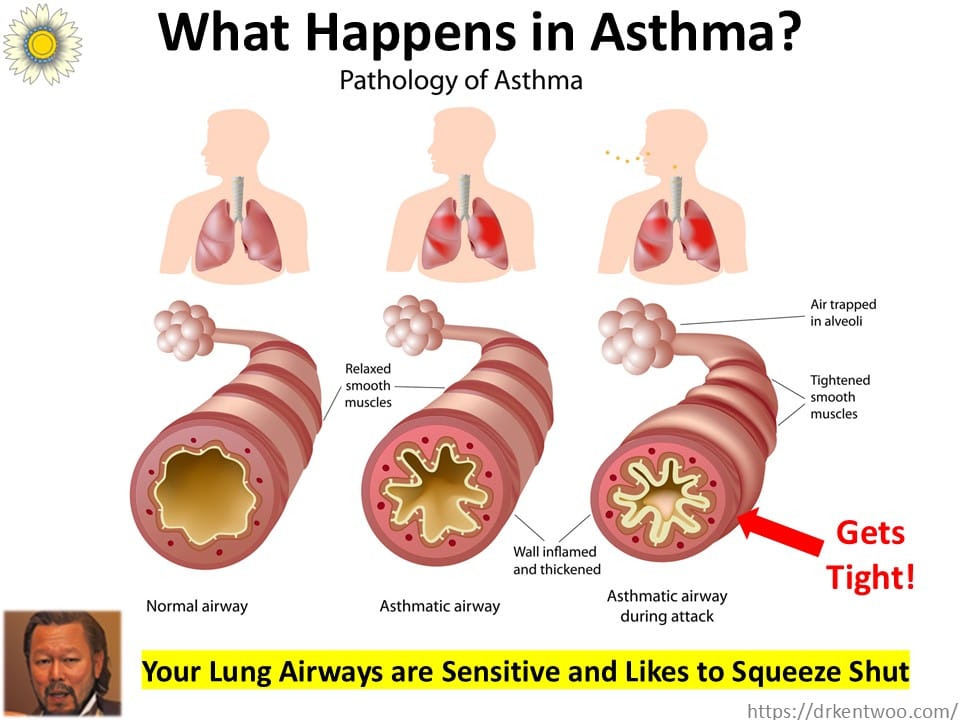
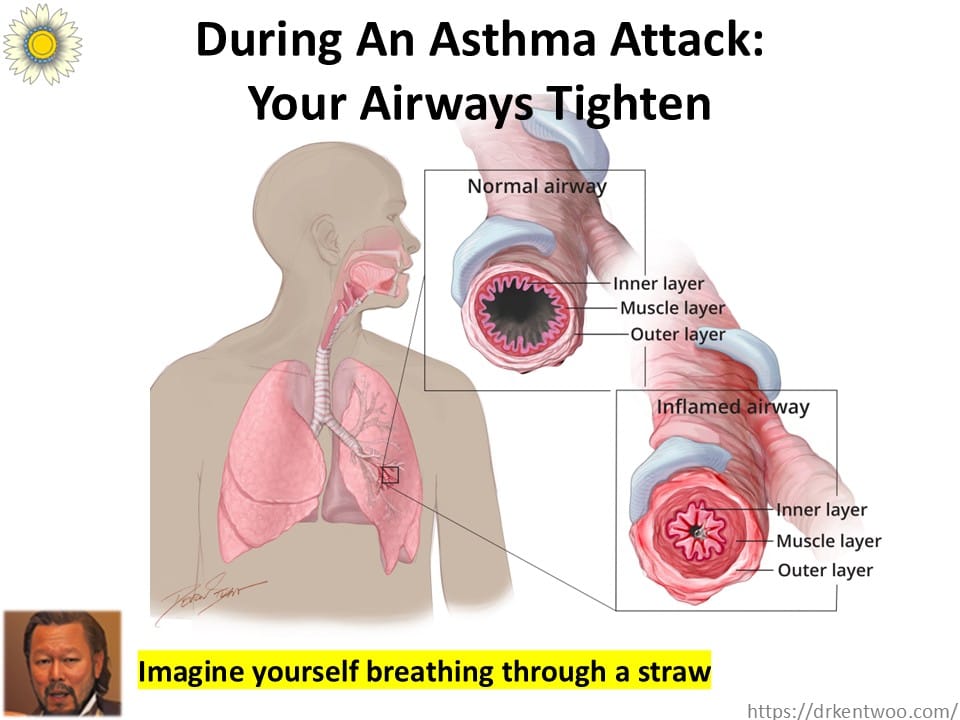
Asthma is a chronic inflammatory condition of the airways.
In simple terms, the airways become sensitive and prone to inflammation.
When triggered, they can tighten, swell and produce more mucus.
This can lead to:
- Wheezing (that whistling sound you hear when breathing out)
- Chest tightness (like an elephant sitting on you)
- Shortness of breath (especially during exercise or at night)
- Coughing (especially after laughing, running, or sleeping)
Asthma is usually controllable.
The goal isn’t simply to treat the next attack.
It is to get your asthma under control so that asthma doesn’t have to dictate how you live your life.
Can Asthma Really Affect My Life That Much?

Yes. And no.
Yes — if it’s uncontrolled, asthma can turn your world upside down.
You may start avoiding exercise.
You may hesitate to travel.
You may wake up coughing at night.
Even walking upstairs or laughing too hard can sometimes bring on symptoms.
But no — well-controlled asthma should not stop you from living normally.
You should be able to travel.
Play sports.
Exercise.
Sleep peacefully.
That’s what asthma control is really about.
We’re not aiming for “better.”
We’re aiming for normal.
Asthma Isn’t Just About the Symptoms
This is something I think is important for people with asthma to understand.
You may feel completely fine between attacks.
But that doesn’t necessarily mean that everything is quiet inside your lungs.
Asthma involves airway inflammation.
If that inflammation remains poorly controlled over time, the structure of the airways can gradually change
A process known as airway remodeling.
The airway walls can become thicker and less flexible, making the airways more prone to narrowing.
In some people, these changes may contribute to a loss of lung function over time.
And this is why asthma isn’t simply about stopping the next wheezing episode.
Good asthma control is also about protecting your lungs over the long term.
Early Signs: Could It Be Asthma?
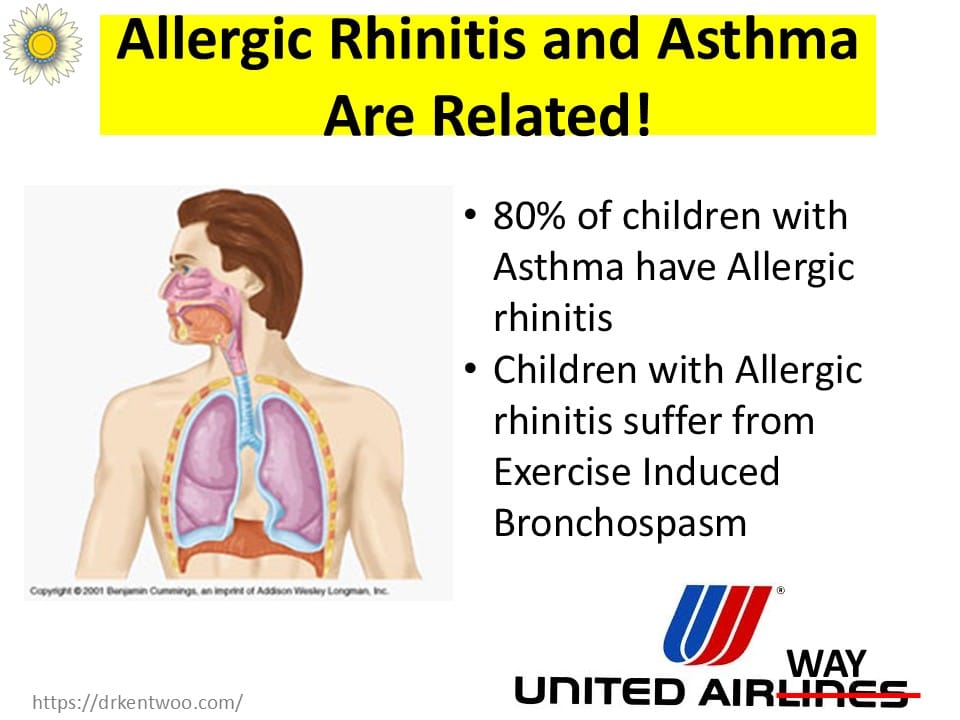
Wheezing is the classic sign.
But asthma wears disguises.
A persistent cough, particularly at night or after exercise, can sometimes be a manifestation of asthma.
Children who repeatedly cough after running or playing
Or they keep waking up from coughing at night — shouldn’t always be told it’s “just a cough.”
Sometimes asthma doesn’t announce itself with dramatic wheezing.
Sometimes, the cough is the clue.
If a cough persists for more than 8 weeks, keeps returning, or consistently follows exercise, it is worth having it assessed.
Will My Medications Stop Working Over Time?
Let’s bust that myth.
Asthma medications don’t simply “wear out.”
When used correctly, anti-inflammatory treatment helps control the inflammation that drives asthma and reduces the risk of attacks.
If your asthma seems to be getting worse despite treatment,
The answer isn’t necessarily that your medication has stopped working.
We need to ask:
- Is the diagnosis correct?
- Are the medications being taken consistently and correctly?
- Are there ongoing triggers or other conditions making the asthma harder to control?
Sometimes the answer is simply that the treatment needs to be adjusted.
So don’t be afraid of your inhaler. Use it properly. It’s your lung’s best friend.
For people who need it, controlling airway inflammation is an important part of keeping asthma under control and protecting the lungs over time.
👉 [Click here to find out about: Growth Concerns About Asthma Medications]
Asthma Management: What’s the Goal?
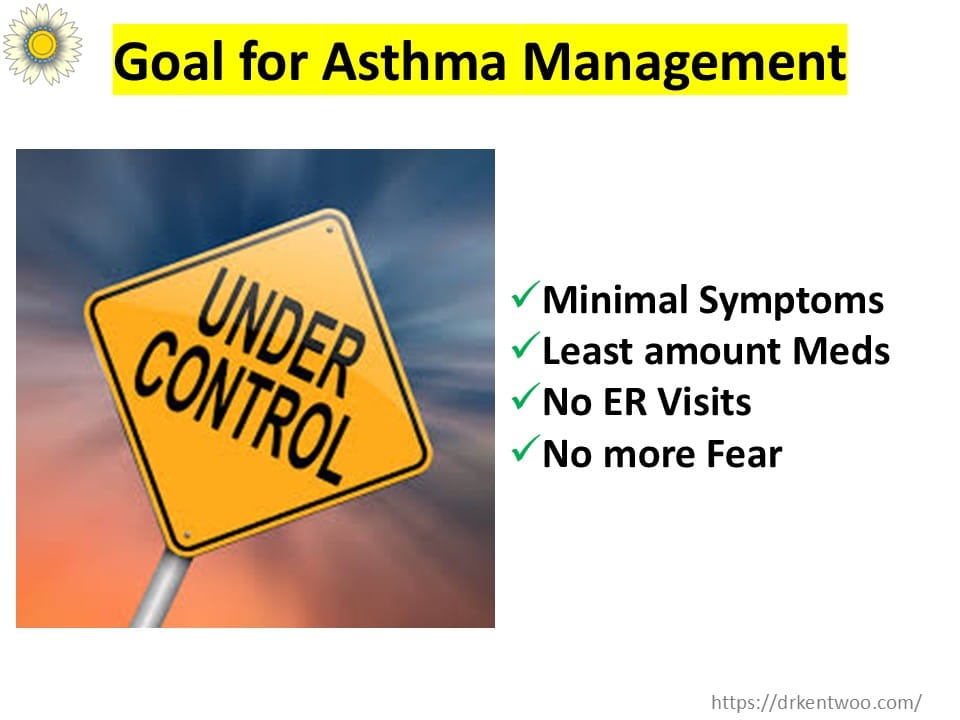
In one word? Control.
We want:
- No or minimal daytime symptoms
- No troublesome nighttime coughing
- No unnecessary emergency visits or hospitalizations
- Full participation in school, work, exercise and daily life
- Minimal need for rescue medication
It’s not just about treating flare-ups
It’s about preventing them from happening in the first place.
Getting an Allergy Test helps identify potential triggers for your asthma.
Proper avoidance strategies can implemented.
We at the Allergy Immunology Clinic can help determine whether allergy testing or immunotherapy is appropriate for you.
👉 [Click here to find out about: Allergen Immunotherapy for Allergy]
Let’s Get Your Asthma Under Control
You shouldn’t have to plan your life around your asthma.
If you’re frequently coughing, wheezing, waking at night, avoiding exercise, or relying heavily on your rescue inhaler, it’s time to look beyond the symptoms.
Good asthma control isn’t just about feeling better today.
It’s about protecting your lungs for the years ahead.