
Fear of Introducing Foods to Prevent Food Allergy
A mother once asked me a question I hear quite often:
“Doctor, what if my baby has a severe allergic reaction the first time they eat peanut?”
It is a very reasonable fear.
You are being told to introduce foods that can cause allergy.
At the same time, you are worried that the very first taste could cause a serious reaction.
So you hesitate.
Maybe you wait a little longer.
Then a little longer again.
And suddenly, months have passed.
The Fear of the First Bite

Food allergies can be frightening.
For parents, the idea of giving a baby peanut, egg or another allergenic food for the first time can feel like taking a risk.
But there is an important distinction:
Avoiding allergenic foods does not prevent food allergy.
It may actually increase the risk!
We now know that introducing common food allergens during the first year of life
can help reduce the risk of developing food allergy.
So the question becomes:
“How do we introduce these foods sensibly?”
Not:
“How do we avoid them?”
What About a Severe Reaction on the First Exposure?
This is probably the biggest concern I hear from parents.
“What if the first bite causes anaphylaxis?”
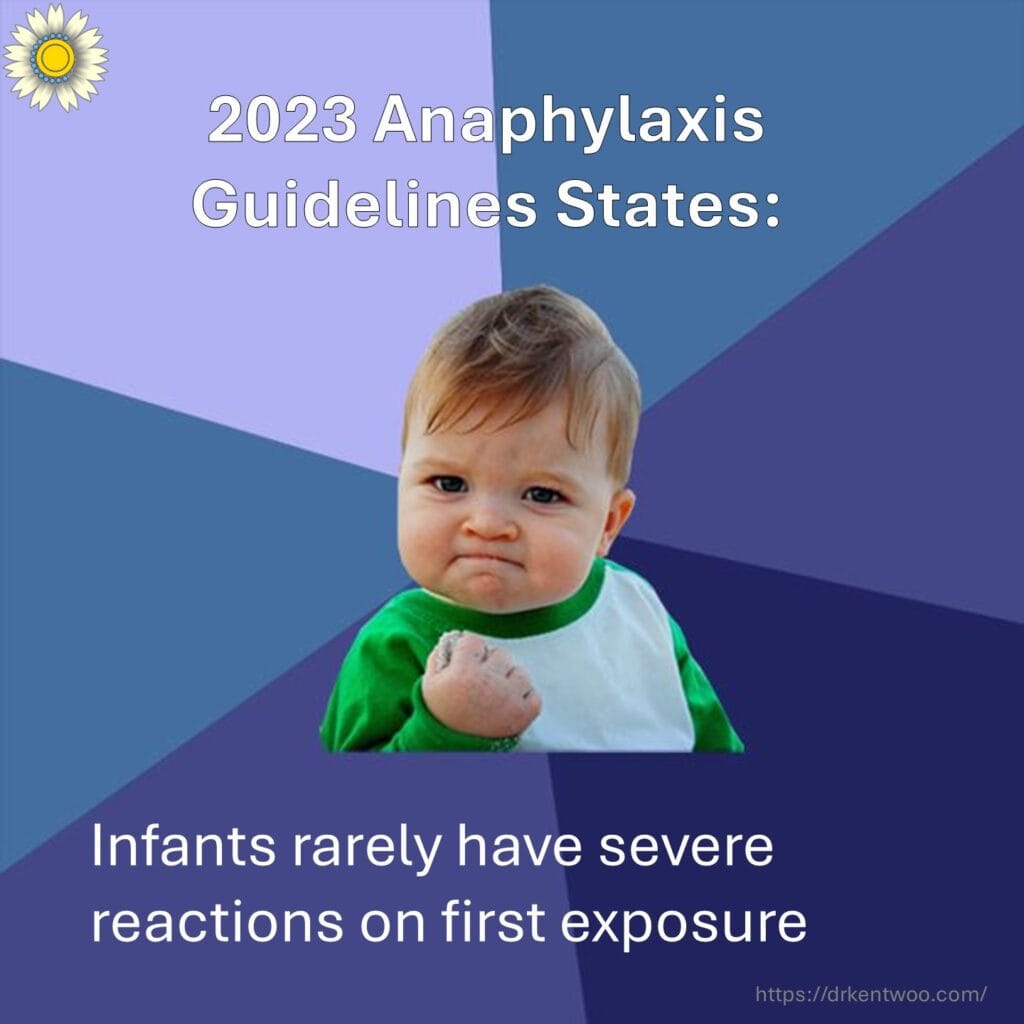
The 2023 Anaphylaxis Practice Parameter specifically addresses this concern.
It states that in infants and toddlers, anaphylaxis is unlikely to be the initial reaction to an allergen on first exposure.
It also notes that age itself is not correlated with reaction severity.
This does not mean that a first exposure can never cause an allergic reaction.
It means we should put the risk into perspective.
A baby can still have an allergic reaction to a food they are trying for the first time.
But anaphylaxis (severe allergic reaction) is unlikely to be the initial reaction.
So we should not avoid food introduction simply out of fear.
So How Should You Introduce Allergenic Foods?
I’ve covered the practical side of food introduction in my guide:
Food Allergy Prevention Through Early Food Introduction
What If There Is a Reaction?
This is important.
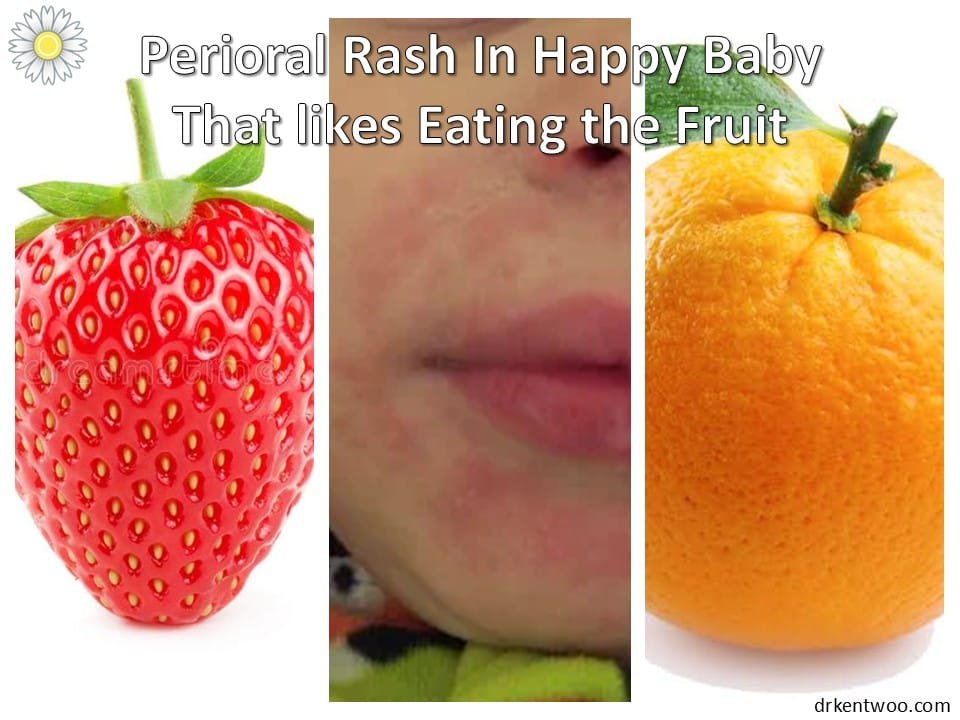
Not every redness around the mouth means a food allergy.
A mild rash around the mouth without other symptoms can sometimes be a contact reaction,
such as redness after eating strawberries or oranges.
But if your baby develops symptoms suggesting an allergic reaction,
stop giving that food and seek medical advice before trying it again.
And remember:
You do not need to assume that every other allergenic food must now be avoided.
The next step is to consult an Allergist/Immunologist to understand what happened and decide how to proceed.
[Click Here: To Learn About Food Immunotherapy For Food Allergies]
Don’t Let Fear Make the Decision
I understand why parents are afraid.
You are not being careless by asking these questions.
In fact, asking is exactly what you should do when you are uncertain.
What I don’t want is for fear to lead to months of unnecessary avoidance.
We now understand much more about food allergy prevention than we did in the past.
The goal is not to rush your baby into eating everything.
It is to introduce common allergens at the right time, in the right form, and in a way that makes sense for your child.
Don’t let fear make the decision for you.
Get the right information first.
We care for you.
Concerned about introducing allergenic foods?
👉 Contact Allergy & Immunology Clinic for advice tailored to your child.