Food Allergies in Malaysian Children: What Parents Really Need to Know
(Food Allergy Treatment for Children in Malaysia)
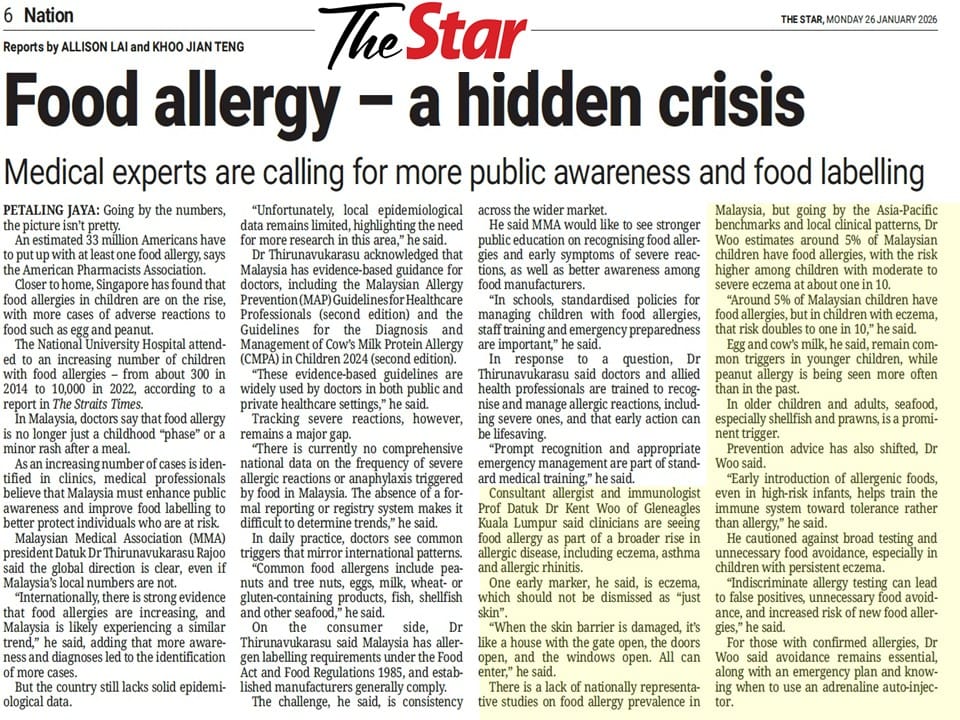
Food allergies are no longer rare.
And no — it’s not “just a rash” or “something they’ll grow out of.”
Let’s talk about this.
To clearly understand what is going on.
How common are food allergies in Malaysia?
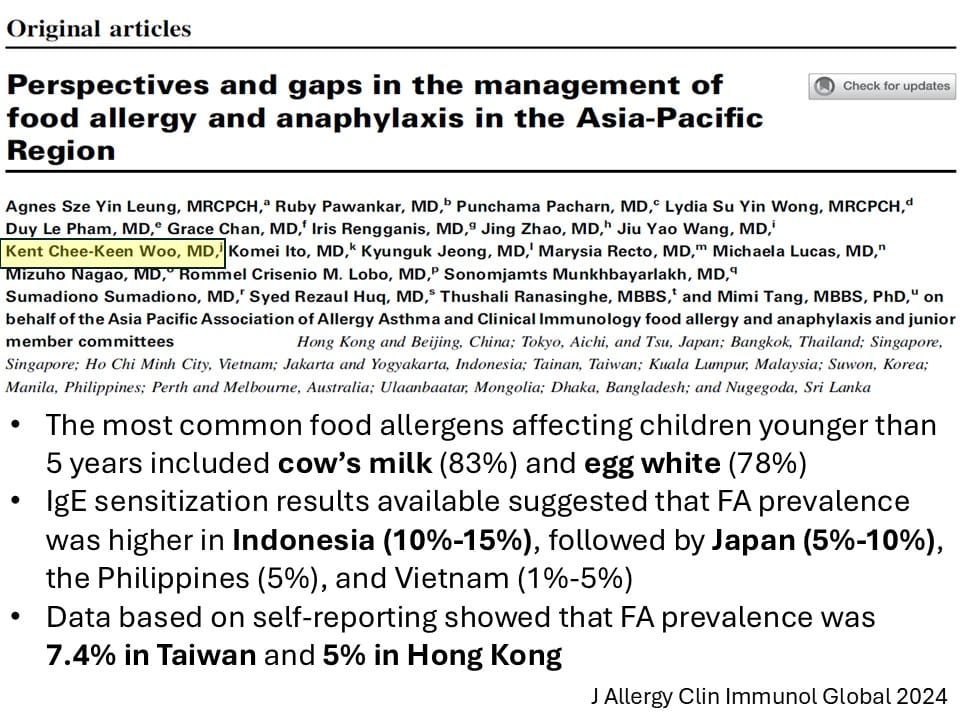
Malaysia doesn’t yet have large national studies — but we’re not flying blind.
Based on Asia-Pacific data and what we see in clinical practice, around 5% of Malaysian children have food allergies.
But here’s the part parents really need to know:
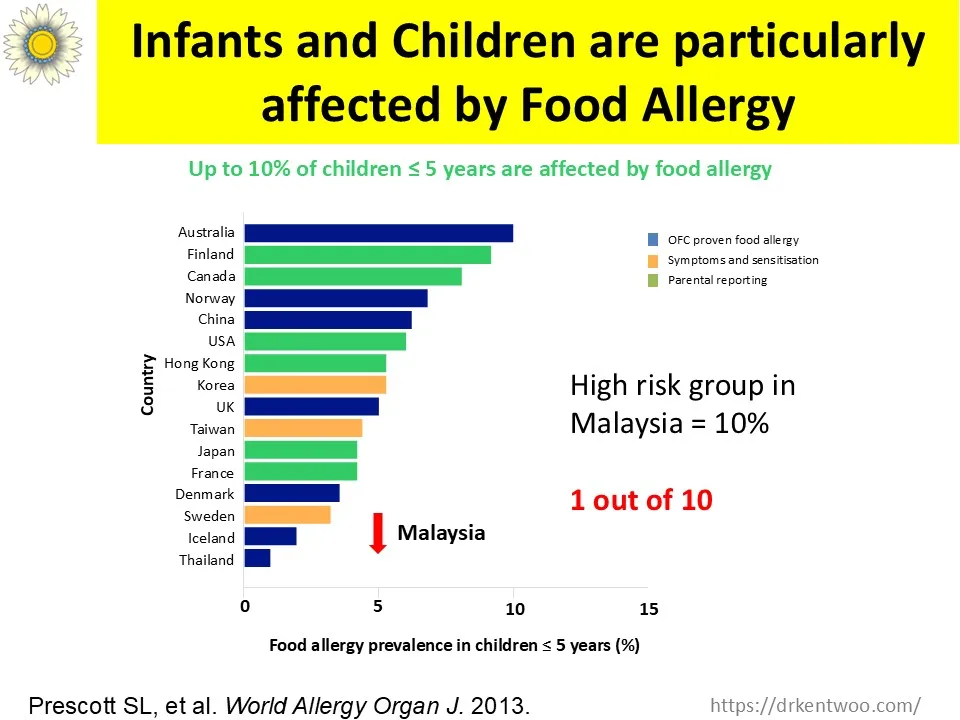
👉 If your child has moderate to severe eczema, that risk jumps to 1 in 10.
That’s not coincidence.
That’s because of leaky skin!
Eczema is not “just skin”
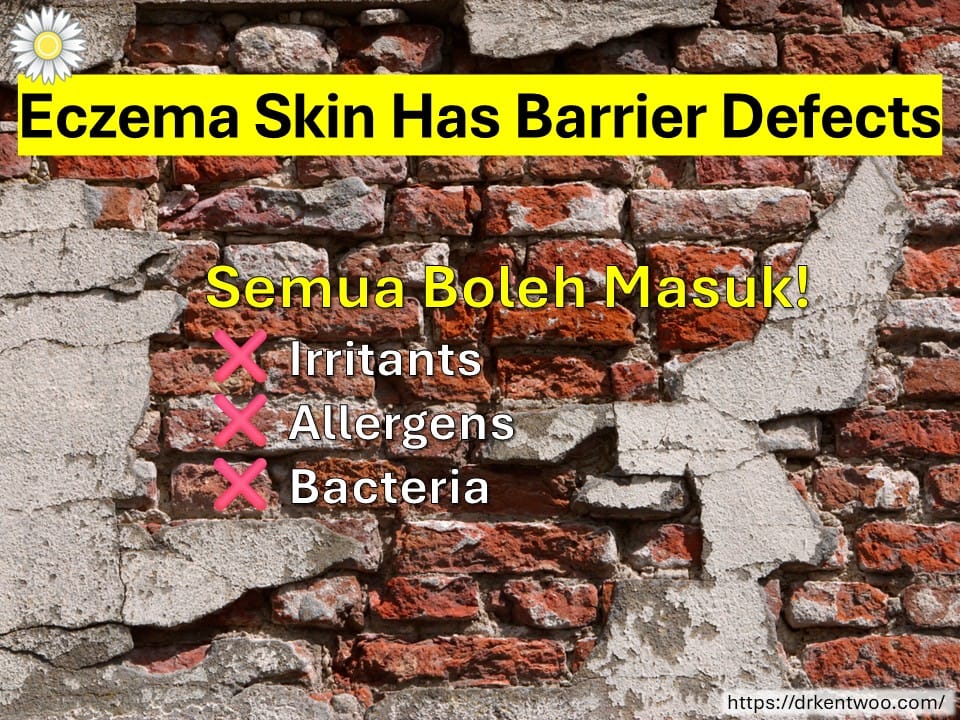
I often explain it this way to parents:
When the skin barrier is damaged, it’s like a house with
the gate open,
the doors open,
the windows open.
Semua boleh masuk.
Food proteins.
Bacteria.
Irritants.
They enter through broken skin.
The immune system panics.
And suddenly… food becomes the enemy.
That’s how food allergy begins.
This is also why infants with eczema should avoid skincare products containing food proteins.
Yes — even the ones labelled “natural.”
Common food allergy triggers in Malaysia
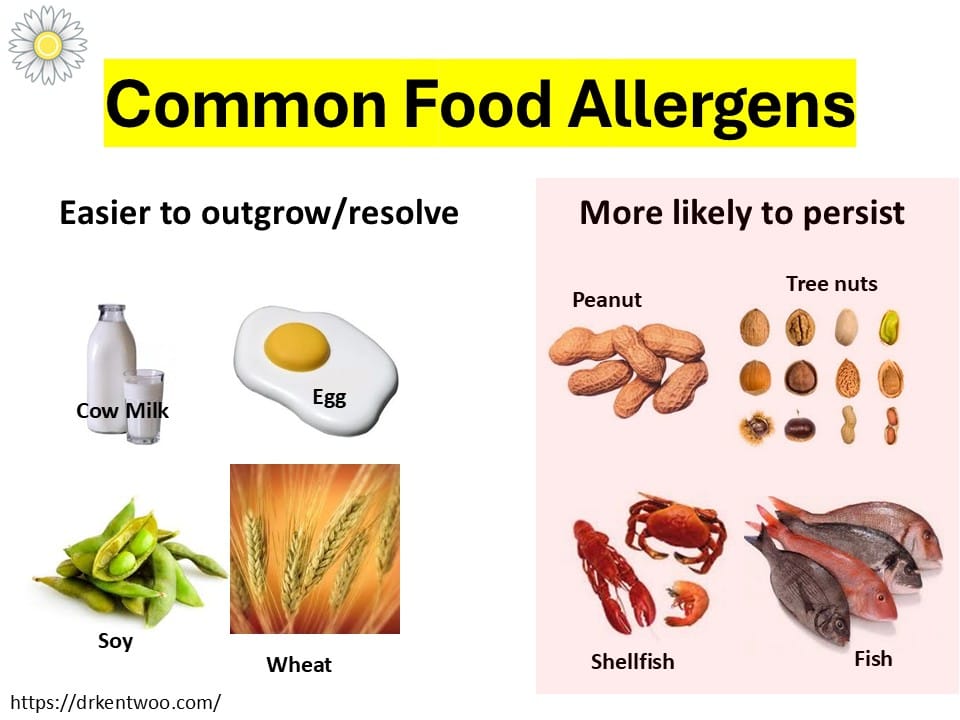
What we are seeing in Malaysia follows other developed countries
In younger children:
🥚 Egg
🥛 Cow’s milk
And yes — peanut allergy is increasing, once thought to be a “Western problem.”
In older children and adults:
🦐 Shellfish and prawns are major triggers
Malaysia isn’t different.
We are starting to develop food allergies like the “Western Countries”
Food introduction rules have changed (and for good reason)
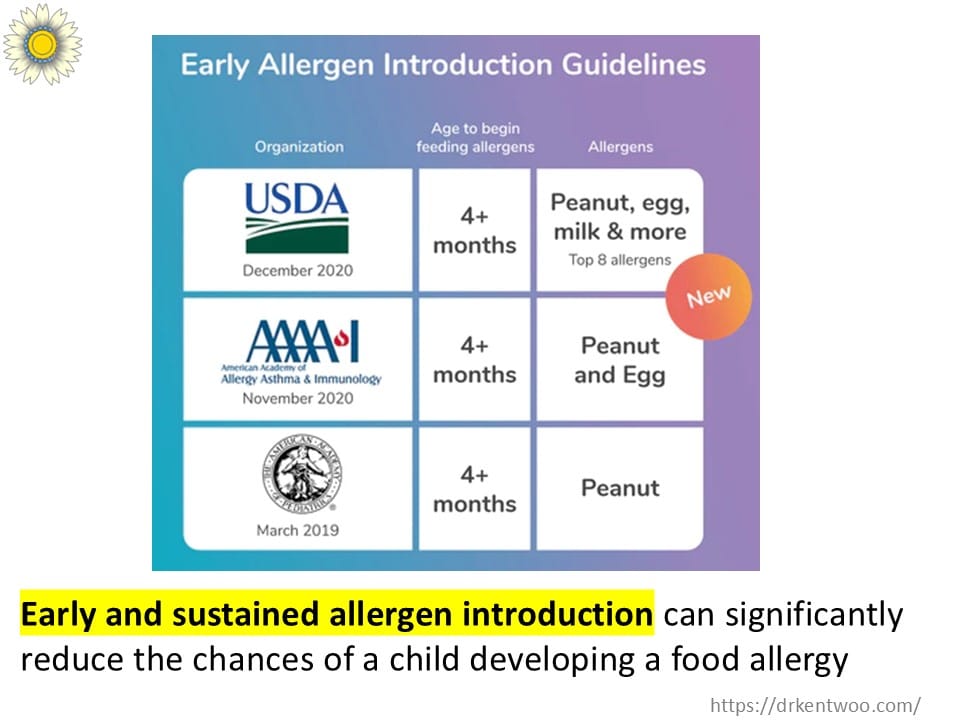
We used to tell parents:
“Avoid egg.”
“Delay peanut.”
Turns out… that advice backfired.
Avoidance didn’t prevent food allergies.
It likely created more of them.
Today, international guidelines recommend:
👉 Early introduction of allergenic foods — even in higher-risk infants.
The immune system needs training, not sheltering.
A word of caution about food allergy testing
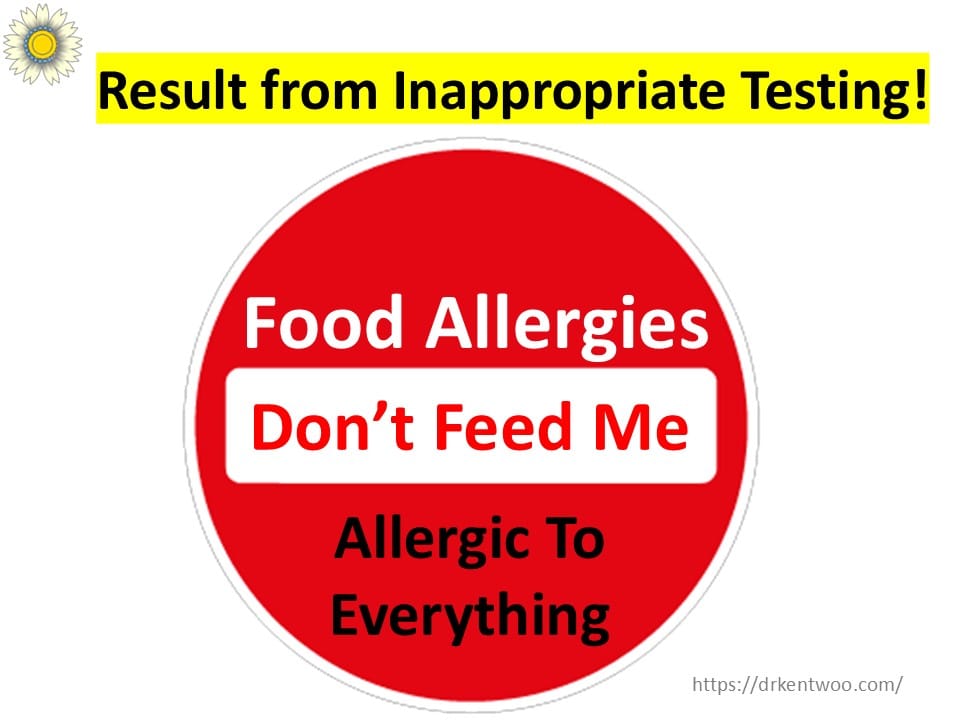
This is where many well-meaning parents get stuck.
Children with eczema often have high IgE levels.
Test broadly — and suddenly everything looks positive.
The result?
- Unnecessary food avoidance
- Poor nutrition
- Loss of tolerance to foods the child was eating just fine
Ironically, avoiding previously tolerated foods can cause new food allergies.
If eczema isn’t improving and food is suspected:
👉 See an allergy & immunology specialist before testing.
Testing without context helps no one.
Beyond avoidance: Actual Food Allergy Treatment
Yes — avoidance and adrenaline auto-injectors are still essential.
But they are no longer the only option.
Food allergy immunotherapy is changing care
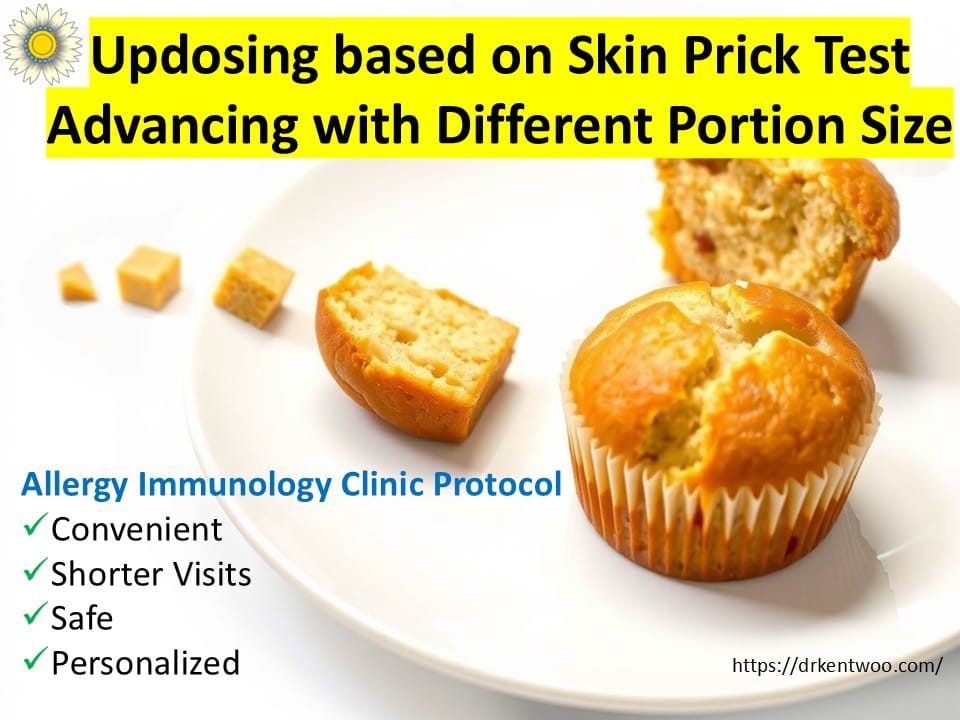
This newer treatment approach involves:
- Gradual, supervised exposure
- Increasing reaction thresholds
- In selected children, helping them outgrow food allergies
Even more encouraging — new medications are emerging that make immunotherapy safer, with fewer reactions.
At our Allergy & Immunology Clinic at Gleneagles Kuala Lumpur, we offer food allergy immunotherapy, especially for young children with cow’s milk and egg allergy, where early treatment offers the best chance of success.
What parents should remember
✔ Food allergy in children is real — and increasing
✔ Eczema is an early warning sign
✔ Avoidance alone is not prevention
✔ Food allergy testing must be targeted
✔ Food allergy treatment options in Malaysia are expanding
Food allergy is complex — but it is manageable.
With the right diagnosis, education, and evidence-based treatment,
children can live safely, confidently, and fully.
👉 Click here to book a consultation at The Allergy Immunology Clinic