
Chronic Urticaria: When Your Hives Just Won’t Go Away
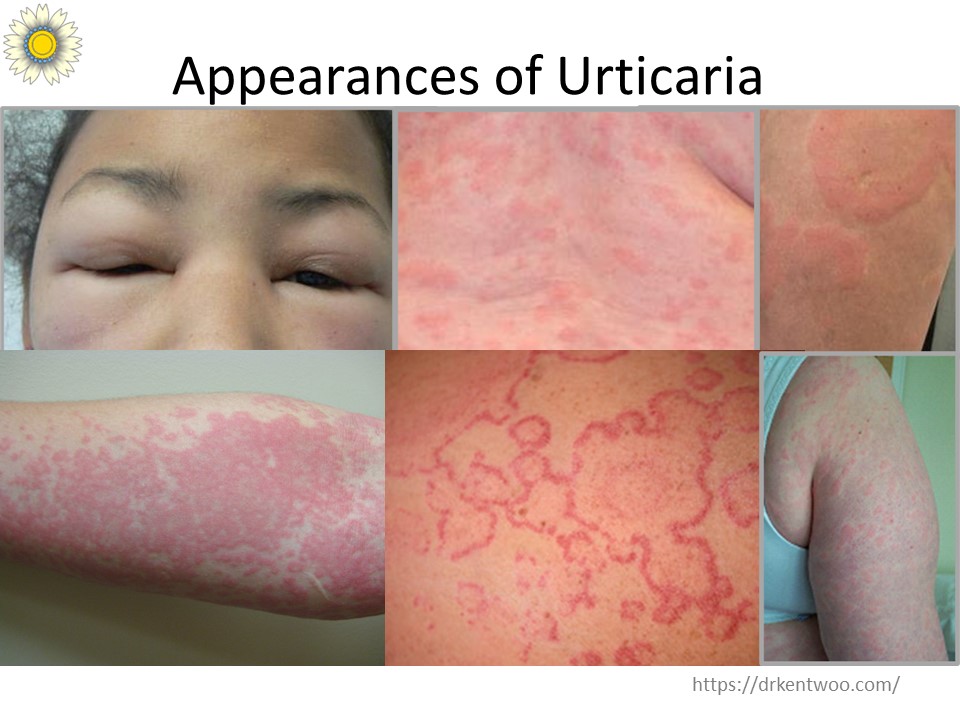
“Doctor, why am I still getting hives?”
It is one of the most common questions I hear in clinic.
The rash appears.
The itch starts.
A few hours later it disappears.
Then it comes back again.
Days become weeks.
Weeks become months.
And eventually patients start asking:
“Is it something I ate?”
“Is it my detergent?”
“Am I allergic to everything now?”
The answer is often surprising.
What Is Chronic Urticaria?
Urticaria is the medical term for hives.
When hives occur almost daily, or keep recurring for more than 6 weeks, we call it chronic urticaria.
Unlike short-lived allergic reactions, chronic urticaria is often not caused by a simple food allergy.
In fact, many patients spend months removing foods from their diet looking for the culprit.
Eggs.
Seafood.
Milk.
Wheat.
At some point, the only thing left on the plate is disappointment.
Yet the hives continue.
That is because chronic urticaria often behaves very differently from a typical allergy.
Could It Be An Autoimmune Problem?
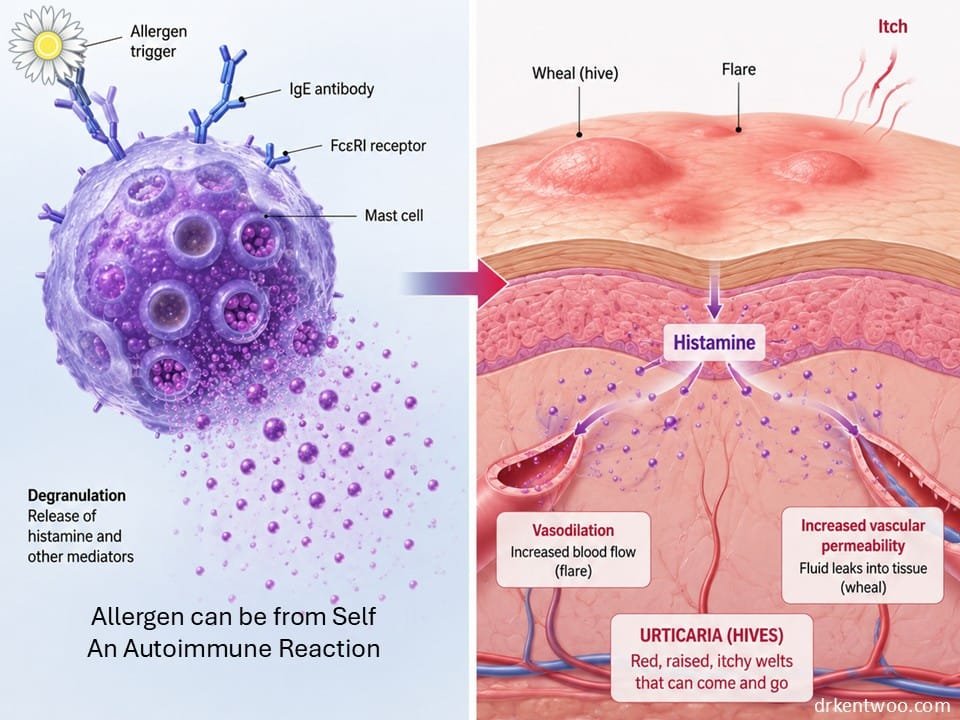
Sometimes.
Research suggests that around 20–40% of chronic urticaria cases may be linked to autoimmune mechanisms.
In simple terms, the immune system becomes confused.
Instead of reacting to genuine threats, it begins reacting to parts of the body itself.
The result?
Histamine gets released.
The skin becomes itchy.
And the hives keep returning.
This is why some patients develop chronic urticaria despite having no obvious allergy trigger.
The Autoimmune Connection
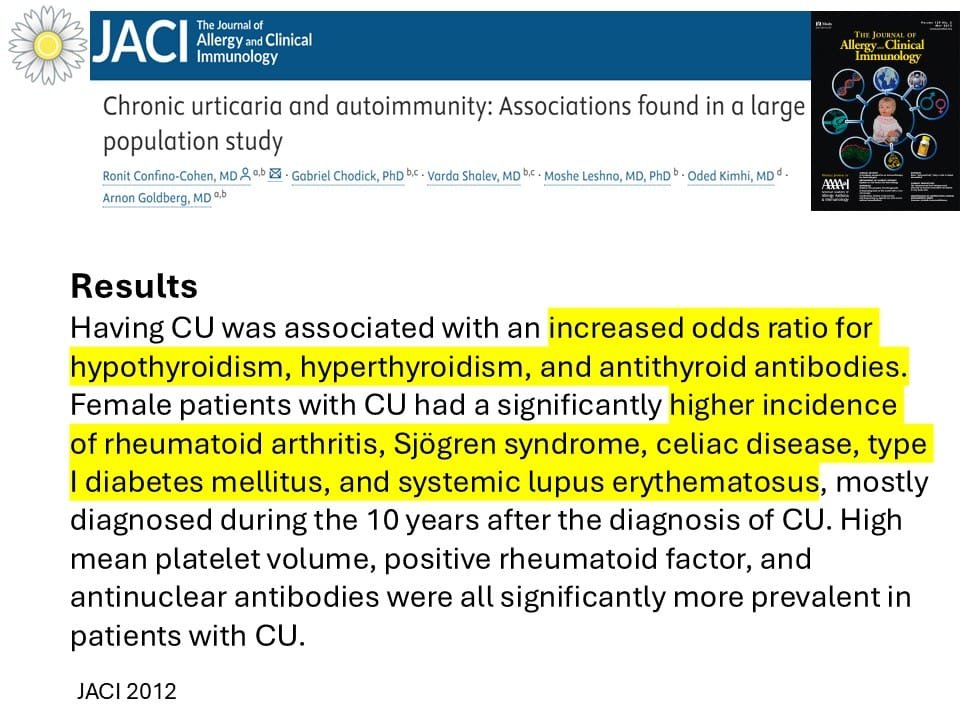
One large study followed almost 13,000 patients with chronic urticaria over a 17-year period.
Researchers found that people with chronic urticaria were more likely to develop other autoimmune conditions compared with the general population.
These included:
• Thyroid disease
• Rheumatoid arthritis
• Lupus
• Celiac disease
This does not mean everyone with chronic urticaria has an autoimmune disease.
Far from it.
But it does remind us that persistent hives deserve proper evaluation rather than simply being ignored.
What Should You Do If Your Hives Last More Than 6 Weeks?

The first step is getting the diagnosis right.
An Allergist-Immunologist can help determine:
• Whether this is truly chronic urticaria
• Whether an autoimmune process may be contributing
• Whether additional investigations are needed
• Which treatments are most appropriate
Fortunately, treatment options today are much better than many people realize.
Most patients respond well to modern non-sedating antihistamines.
For those who do not, there are highly effective next-line treatments available, including biologic therapies such as omalizumab.
The goal is not simply to suppress symptoms.
The goal is to help you regain control of your life.
🔎 Learn more: [An Unusual Treatment for Chronic Autoimmune Urticaria]
Stress and Chronic Urticaria
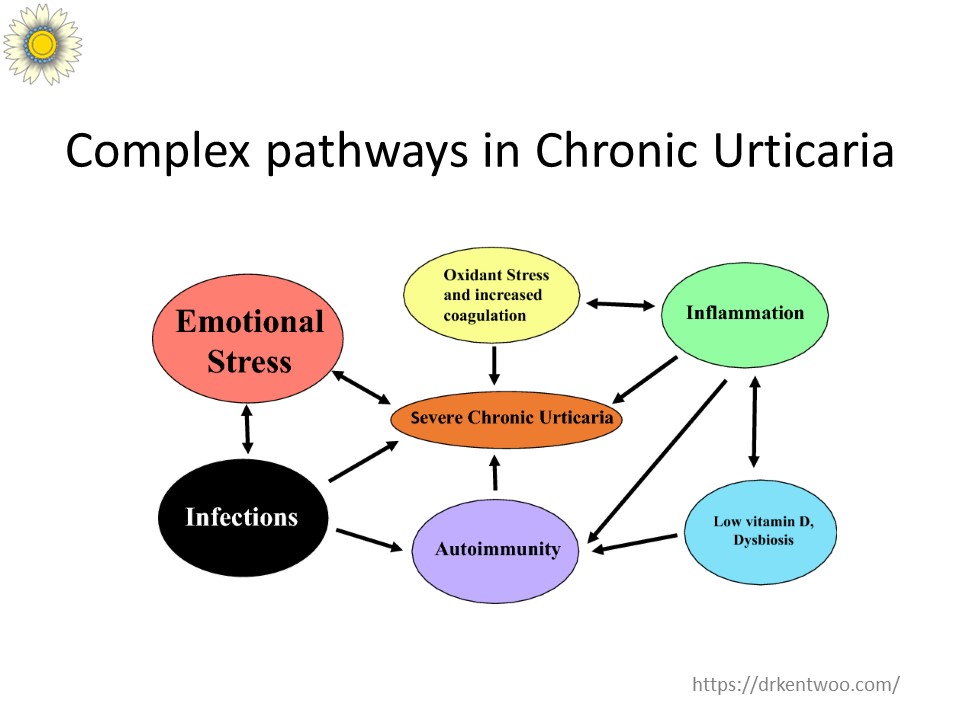
One observation many patients notice is that stress seems to make their hives worse.
And they are often right.
Stress does not usually cause chronic urticaria by itself.
But it can amplify symptoms and make flares more frequent.
It is one of those situations where the itch creates stress, and the stress creates more itch.
A frustrating cycle.
Breaking that cycle can sometimes make a meaningful difference.
When Should You Seek Urgent Medical Attention?
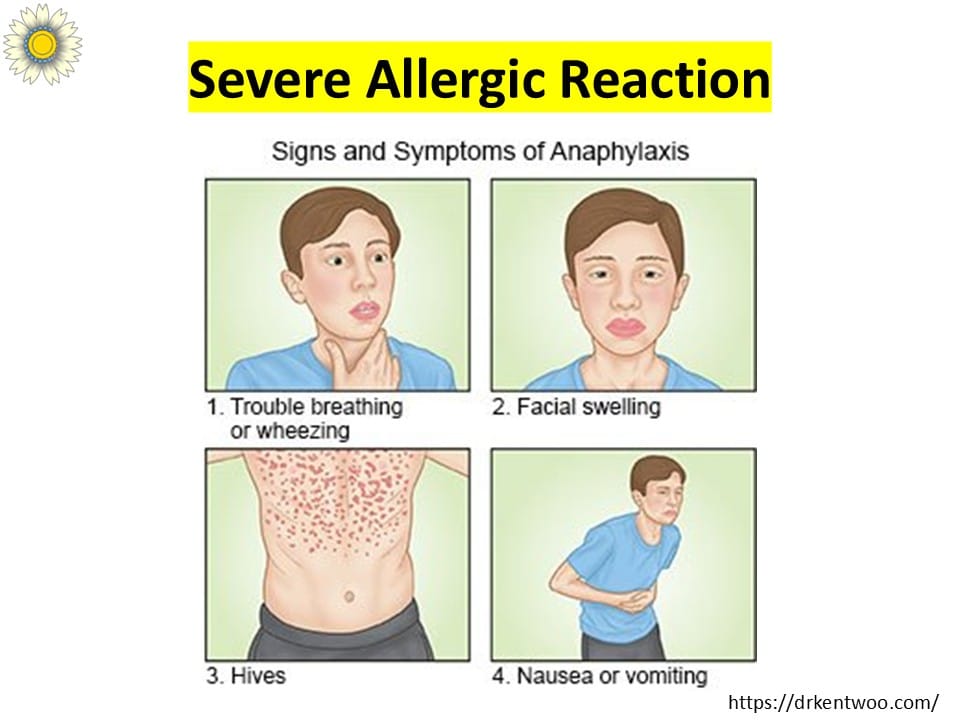
Most chronic urticaria is not dangerous.
However, seek urgent medical care if you develop:
• Breathing difficulty
• Throat tightness
• Dizziness or collapse
• Significant swelling affecting the airway
These may be signs of anaphylaxis (a severe allergic reaction) rather than simple urticaria.
This is a medical emergency and requires immediate treatment.
A Final Thought
One of the biggest misconceptions about chronic urticaria is that there must always be a hidden food trigger.
Often there is not.
Chronic urticaria is a condition where the immune system can behave in unexpectedly complex ways.
The good news?
Most patients can be significantly improved once the condition is properly understood.
The challenge is not simply treating the itch.
It is understanding why the itch keeps returning.
Science For the Curious
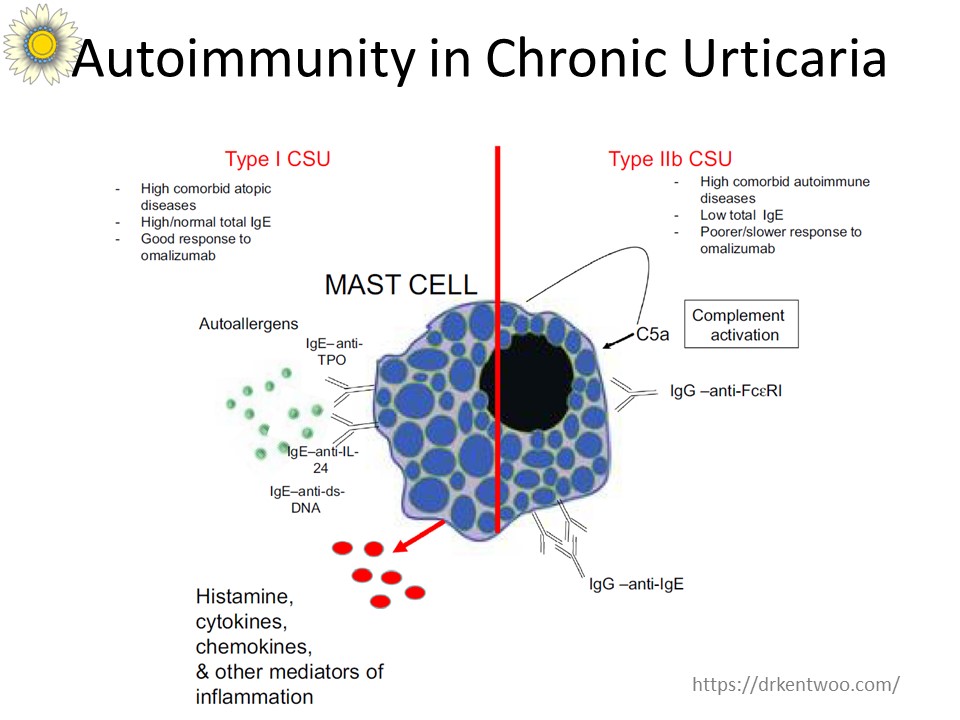
Researchers currently recognise two major autoimmune pathways in chronic urticaria.
Auto-IgE (Autoallergy)
In this form, the body produces IgE antibodies directed against its own proteins, such as thyroid peroxidase (TPO) or IL-24. When these antibodies encounter their targets, mast cells release histamine, resulting in hives.
Type IIb Autoimmune Urticaria
In this form, the body produces IgG autoantibodies against IgE or the high-affinity IgE receptor (FcεRI) found on mast cells and basophils. This also triggers histamine release and chronic hives.
Although the pathways differ, the outcome is the same:
Mast cells release histamine.
The skin itches.
And hives appear.
[Contact the Allergy Immunology Clinic to make an appointment]